The Classic Mojito: A Refreshing Masterclass

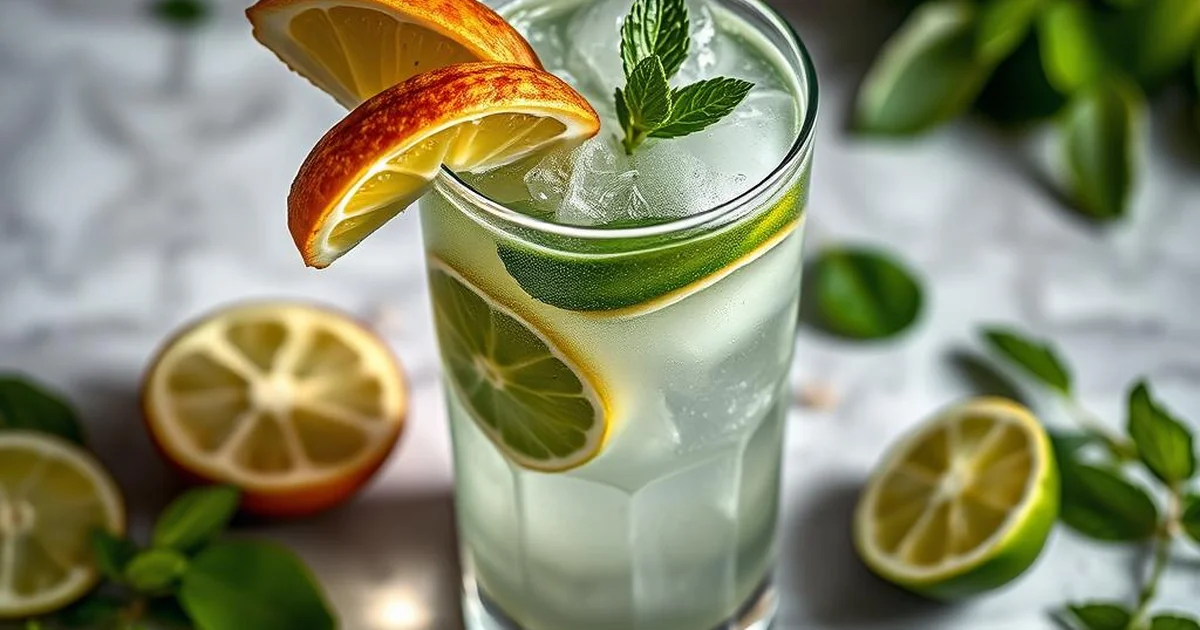
The mojito is a quintessential highball cocktail defined by its balance of five specific elements: white rum, lime juice, cane sugar, mint leaves, and club soda. Achieving the perfect result relies on extracting the essential oils from the mint without over-mashing the leaves, which can introduce bitter chlorophyll notes to the drink.
Jump to Recipe 🍳The Architecture of a Proper Mojito
A mojito recipe is deceptively simple, but the chemistry of the glass determines the quality of the finish. The goal is a clean, crisp, and effervescent experience. When crafting this drink, use fresh, vibrant green mint leaves; wilted or dark leaves will negatively impact the flavor profile. The choice of sugar is also a subtle detail—superfine sugar or simple syrup dissolves more readily than standard granulated sugar, ensuring a smooth texture that does not leave a gritty mouthfeel.
- Use fresh lime juice rather than bottled to ensure acidity brightness.
- Muddle gently; the objective is to release oils, not to shred the mint into fragments.
- Chill your glass beforehand to keep the dilution minimal and the drink crisp.
Preparation Techniques and Best Practices
For those interested in exploring drink variety beyond cocktails, you might also enjoy experimenting with chocolate spread recipes from scratch to complement your afternoon refreshments. When preparing your drink, always start by muddling the lime and sugar before adding the mint. Adding the mint too early risks tearing it unnecessarily during the harder muddling required to break down the lime rind and sugar crystals.
Recipe Snapshot
- Yield: 1 cocktail
- Prep Time: 5 minutes
- Total Time: 5 minutes
Ingredients
- 2 oz white rum
- 1 oz fresh lime juice
- 2 teaspoons superfine sugar
- 6-8 fresh mint leaves
- Club soda to top
- Crushed ice
Instructions
- Place the lime juice and sugar into a sturdy highball glass. Stir until the sugar is mostly dissolved.
- Add the mint leaves and gently press them against the side of the glass with a muddler just until they are fragrant.
- Pour in the white rum and stir gently to combine the ingredients.
- Fill the glass three-quarters full with crushed ice.
- Top with club soda and stir briefly to lift the mint and sugar from the bottom.
- Garnish with a fresh sprig of mint and a lime wheel.
Variations and Substitutions
While the classic mojito remains the gold standard, regional variations exist. Some cultures prefer using demerara or light brown sugar to add a subtle molasses undertone to the drink. If you are looking for non-alcoholic alternatives, the recipe works well by omitting the rum and slightly increasing the lime juice to compensate for the lost volume, effectively creating a high-quality lime and mint sparkler.
For those interested in other kitchen staples, learning to prepare homemade chocolate recipes is a great way to hone your culinary skills during the summer months. Always ensure your ingredients are chilled, as cold ingredients hold carbonation better, keeping the club soda lively for longer.
According to Imbibe Magazine, the secret to a great drink often lies in the quality of the ice. Using clean, filtered water for your ice prevents chlorine or mineral off-flavors from tainting the delicate aroma of the mint.
Serving Suggestions and Storage
Mojitos are best consumed immediately after preparation because the carbonation from the club soda will dissipate within minutes. Do not attempt to pre-mix the base components with ice; instead, mix the lime, sugar, and rum in a pitcher and add the club soda and mint only when ready to serve. This preserves the integrity of the herbs and the fizz of the soda.
FAQs
Why does my mojito taste bitter?
Bitterness is usually caused by over-muddling the mint. If you crush the leaves too aggressively, the chlorophyll is released, which creates an herbal, bitter taste. Muddle only until the mint is aromatic.
Can I make a mojito with dark rum?
Yes, though it changes the flavor profile significantly. Dark or aged rum adds notes of vanilla and oak, making the drink heavier and more complex, whereas white rum is preferred for its clean, light character.
Is it necessary to use superfine sugar?
Superfine sugar is recommended because it dissolves rapidly in cold liquids. If you only have granulated sugar, consider making a simple syrup beforehand by dissolving equal parts sugar and water over heat.
Master Your Home Bar
Building confidence in your mixology skills takes time and practice. Start by mastering the balance of acid, sweet, and spirit in this classic drink before experimenting with fruit additions. If you enjoyed this guide, consider trying your hand at more complex flavor profiles in your kitchen repertoire.