The Science and Craft of Perfect Chocolate Chip Cookies

Understanding the Composition of a Classic Cookie
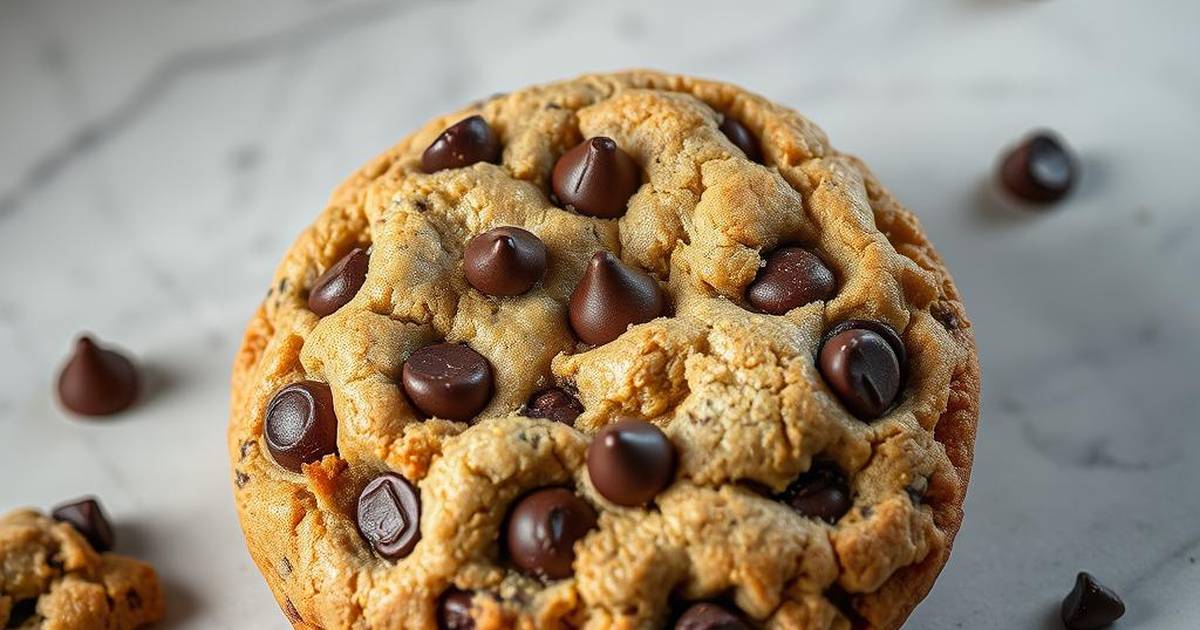
Achieving the perfect texture in chocolate chip cookies is a delicate balance of chemistry, ingredient ratios, and temperature control. A standard cookie relies on the interaction between fat, sugar, and flour to determine whether the final result is crispy, chewy, or cake-like. The primary objective is to create a structure that holds its shape while maintaining a tender, moist interior.
Recent culinary analysis suggests that the type of fat used—specifically the state of the butter—drastically alters the outcome. Melted butter typically yields a denser, chewier cookie, whereas creaming room-temperature butter with sugar incorporates air, leading to a lighter, more cake-like lift. Furthermore, the ratio of brown sugar to white sugar dictates the moisture content; brown sugar contains molasses, which adds acidity and moisture, promoting a softer, chewier texture.
- Fat state (melted vs. creamed) defines the structural integrity of the cookie.
- Brown sugar is essential for chewiness due to its acidic, moisture-retaining properties.
- Resting the dough allows flour hydration, which leads to better flavor and a superior texture.
Myth vs. Fact: Debunking Baking Assumptions
Baking is often surrounded by kitchen folklore that may not always align with scientific outcomes. Here, we address common misconceptions regarding the preparation of these beloved treats.
Myth: Dough does not need to rest.
Fact: Resting dough is arguably the most important step. Allowing the dough to hydrate in the refrigerator for at least 24 hours permits the starch to break down into simpler sugars, which results in deeper flavor and more consistent browning. This process is supported by food scientists as a critical step for professional-grade results.
Myth: Any chocolate chip will perform the same.
Fact: Chocolate quality matters significantly. Higher cocoa butter content means the chocolate will melt more smoothly. Many commercial chips contain stabilizers to help them retain their shape; while this is good for visual appeal, it may change the overall mouthfeel compared to hand-chopped chocolate bars.
If you find your cookies are spreading too thin, check the temperature of your baking sheet. Placing dough onto a hot pan causes the fat to melt instantly, leading to uncontrollable spread. Always ensure your baking sheet is at room temperature before loading it.
Recipe Snapshot: The Classic Approach
- Yield: Approximately 24 cookies
- Prep time: 20 minutes (plus 24 hours resting)
- Cook time: 12 minutes
- Total time: 24 hours and 32 minutes
Ingredients
- 250g All-purpose flour
- 1/2 tsp Baking soda
- 170g Unsalted butter, melted and cooled
- 150g Brown sugar, packed
- 100g Granulated white sugar
- 1 large Egg plus 1 egg yolk
- 1 tsp Vanilla extract
- 250g Semi-sweet chocolate chips or chopped chocolate
- 1/2 tsp Sea salt
Instructions
- Whisk flour, baking soda, and salt together in a medium bowl.
- In a separate large bowl, mix the melted butter and sugars until smooth.
- Add the egg, egg yolk, and vanilla extract to the butter mixture, whisking until combined.
- Fold in the dry ingredients gradually, then stir in the chocolate.
- Cover and refrigerate the dough for at least 24 hours.
- Preheat your oven to 175°C (350°F). Line a baking sheet with parchment paper.
- Scoop rounded tablespoons of dough onto the sheet, leaving space for spreading.
- Bake for 10-12 minutes until the edges are golden brown but the centers remain soft.
- Cool on the pan for 5 minutes before transferring to a wire rack.
Substitutions and Dietary Alternatives
If you are looking to modify the classic recipe, consider how each ingredient functions. For instance, to increase the richness of your homemade chocolate recipes, you might experiment with different cocoa percentages. If you prefer a nuttier profile, you can incorporate ingredients often found in Traditional Roasted Hazelnut and Milk Chocolate Spread as a swirl in the dough or a topping.
For those seeking dairy-free alternatives, coconut oil can act as a substitute for butter, though it will alter the flavor profile and produce a slightly more brittle texture. Always adjust your salt content when using salted butter or nut-based substitutions.
Action Plan for Success
To improve your baking, follow this checklist:
- Measure flour by weight rather than volume to ensure consistency.
- Invest in a digital oven thermometer to verify the actual temperature inside your oven.
- Use quality parchment paper or silicone mats to prevent sticking and promote even browning.
- Store finished cookies in an airtight container at room temperature for up to three days, or freeze the raw dough balls for up to three months.
For more inspiration on pairing your baked goods with indulgent spreads, check out our guide on chocolate spread recipes from scratch to elevate your dessert game.
FAQs
Why do my cookies spread too much in the oven?
Excessive spreading is usually caused by the dough being too warm or the ratio of fat to flour being too high. Ensure your butter is cooled after melting and consider chilling the dough for longer.
Can I substitute brown sugar with white sugar?
You can substitute them, but the result will be significantly different. Brown sugar adds acidity and moisture; using only white sugar will result in a crispier, lighter cookie that lacks the signature chewiness.
What is the benefit of adding an extra egg yolk?
The extra yolk adds fat and protein without the additional water found in the egg white. This leads to a richer, denser, and more tender cookie texture.
—RECIPE_DATA_START—
{
“recipe_name”: “Classic Chocolate Chip Cookies”,
“recipe_description”: “A refined, scientifically-backed recipe for the perfect chocolate chip cookie, featuring a balance of brown sugar and melted butter for a chewy texture.”,
“recipe_yield”: “24 cookies”,
“prep_time_minutes”: 20,
“cook_time_minutes”: 12,
“total_time_minutes”: 1472,
“ingredients”: “250g All-purpose flour\n1/2 tsp Baking soda\n170g Unsalted butter, melted and cooled\n150g Brown sugar, packed\n100g Granulated white sugar\n1 large Egg plus 1 egg yolk\n1 tsp Vanilla extract\n250g Semi-sweet chocolate chips\n1/2 tsp Sea salt”,
“instructions”: “Whisk flour, baking soda, and salt.\nMix melted butter and sugars.\nAdd egg, egg yolk, and vanilla.\nFold in dry ingredients and chocolate.\nRefrigerate dough for 24 hours.\nPreheat oven to 175C.\nScoop dough onto parchment-lined sheets.\nBake for 10-12 minutes.\nCool on pan for 5 minutes.”,
“recipe_image”: “”,
“nutrition_calories”: “”,
“video_url”: “”,
“author_name”: “El Mordjene Editorial Team”,
“recipe_keywords”: “Chocolate Chip Cookies, Baking, Dessert”,
“recipecuisine”: “American”,
“recipecategory”: “Recipes”,
“video_upload_date”: “”
}
—RECIPE_DATA_END—