The El Mordjene Hunt: Understanding the Regulatory Situation

- El Mordjene has gained significant international attention following its exclusion from EU markets due to regulatory compliance issues.
- The current situation centers on EU import standards for products containing dairy and nut components originating from outside the trade bloc.
- Consumers are advised to rely on official sources regarding food safety and import bans to stay informed on the product’s availability.
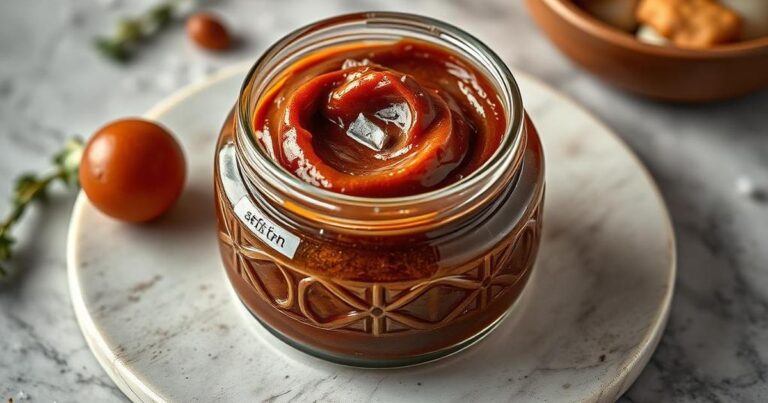
The recent surge in international demand for the Algerian hazelnut spread known as el mordjene has created a unique situation in European markets. As fans and curious food enthusiasts scramble to source the product, regulatory bodies have tightened oversight, leading to the current state of restricted availability in countries like France. This phenomenon highlights the complexities of international food distribution and the impact of modern consumer trends on global supply chains.
The Rise of a Viral Food Trend
The sudden visibility of this product is largely driven by social media platforms, where enthusiastic reviews have transformed a regional favorite into an international item of interest. Unlike traditional established brands that benefit from long-standing global distribution networks, the sudden popularity of this specific spread caught many retailers and customs officials off guard. This rapid shift in consumer interest often leads to a disconnect between viral popularity and formal import compliance.
The situation in Paris and across the broader European Union demonstrates how digital platforms can accelerate demand faster than administrative processes can adapt. When a product suddenly becomes a household name due to influencers or community recommendations, the resulting “hunt” by consumers often leads to gray-market imports, which regulatory agencies are then tasked with managing under strict food safety and import guidelines.
Regulatory Context and Import Hurdles
At the core of the current discussion is the question of why this product faces such significant challenges in entering the EU market. The European Union maintains stringent requirements for food products containing animal-derived ingredients, such as milk or dairy, when imported from third-party countries. These standards are designed to ensure full traceability and adherence to European food safety protocols.
The primary hurdle involves compliance with European Union food safety directives, which mandate that certain goods undergo rigorous inspection and certification processes before being cleared for sale. Because the supply chain for products like this does not always align with these established EU requirements, many shipments are subject to seizure or denial of entry at borders. To understand more about the specifics of these regulations and the challenges they present, readers can explore our detailed breakdown on why is El Mordjene banned?
The Impact of Social Media
Social media has played an undeniable role in this trend, acting as a catalyst for awareness that often bypasses traditional marketing. In the case of this hazelnut spread, the “hunt” has become a cultural phenomenon, with shoppers sharing locations or tips on where they have spotted remaining stock. This creates a feedback loop: scarcity drives curiosity, which in turn drives more social media content, further complicating the efforts of retailers who must adhere to local trade regulations.
30-90 Day Outlook
In the coming months, it is likely that the intense scrutiny of this product will continue. Retailers are currently risk-averse, avoiding the stocking of items that do not meet the full criteria for European market entry. Until there is a formal resolution regarding the regulatory status or a change in the product’s distribution model to meet EU standards, availability will likely remain limited to informal channels.
If you are looking for alternatives or wish to understand how to handle similar food product inquiries, consider exploring Kinder Bueno spread alternatives. Always check local consumer protection agency websites for the latest updates on food safety bans and import restrictions in your region.
Exploring Culinary Alternatives
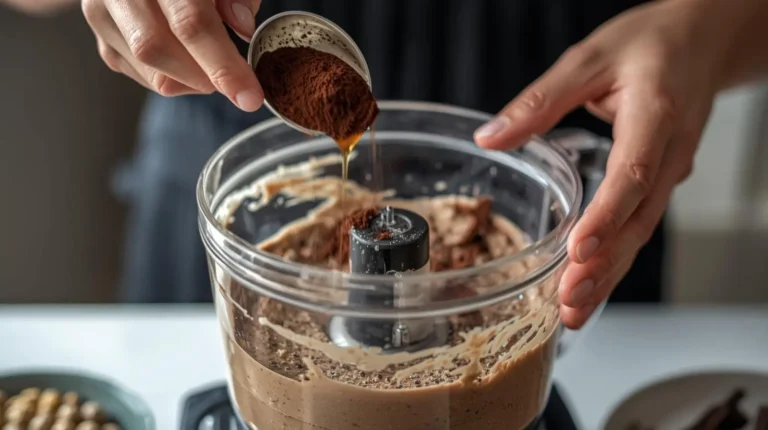
For those unable to find the original product due to these regulatory restrictions, the culinary world offers various ways to experience similar flavor profiles. Many enthusiasts have turned to chocolate spread recipes from scratch, which allow for the customization of ingredients and the use of high-quality hazelnuts and cocoa. This approach not only sidesteps import issues but also allows for a personalized texture and sweetness level that mass-produced spreads often lack.
Conclusion
The story of the el mordjene hunt is a clear example of how global trade regulations and digital trends frequently intersect. While the appeal of the product is evident, the barriers to entry in the European market are rooted in established safety and quality control standards. Staying informed through reputable sources and understanding the “why” behind import restrictions helps consumers navigate these trends responsibly. For those who enjoy the process of crafting their own treats, exploring the science behind emulsions and nut butter ratios remains a rewarding way to bring professional-quality spreads into the home kitchen.
FAQs
Is it legal to bring the spread into the EU for personal use?
Generally, EU regulations are very strict regarding the import of animal-derived products from outside the bloc. Travelers are advised to check the specific customs regulations of the destination country, as these items are often subject to confiscation at border crossings.
Why is there so much focus on this specific brand?
The focus is primarily due to viral social media exposure, which created high consumer demand. When combined with the regulatory challenges of importing the product into Europe, it turned into a widely reported news story.
Are there ingredients in this spread that are inherently unsafe?
The regulatory challenges typically relate to trade compliance, import documentation, and strict EU requirements for dairy and nut components, rather than individual ingredients being inherently unsafe for consumption in the country of origin.
Will the product return to store shelves soon?
There is no official timeline for the product returning to EU retail shelves. Its future availability depends entirely on the manufacturer’s ability to navigate European import requirements and certification processes.
{}