Fresh and Vibrant Salsa Recipes Homemade

Understanding the Foundation of Fresh Salsa
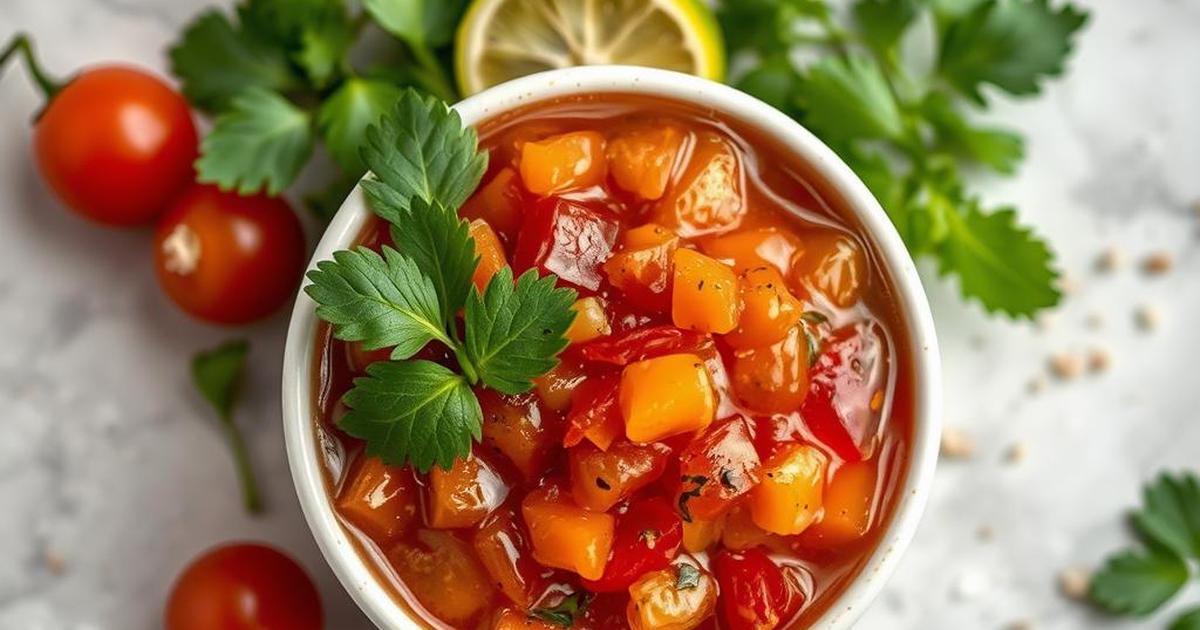
Crafting salsa recipes homemade allows you to control the freshness and intensity of every component. At its core, a classic salsa relies on the balance between acidity, heat, and the natural sweetness of vine-ripened produce. Whether you are aiming for a chunky pico de gallo or a smooth, restaurant-style blend, the success of your final dish hinges on the quality of your raw ingredients and the precision of your knife work.Recipe Snapshot
- Yield: Approximately 2 cups
- Prep time: 15 minutes
- Cook time: 0 minutes
- Total time: 15 minutes
Essential Ingredients
For the most authentic flavor profile, select firm, ripe vegetables. You will need:
- 4 large Roma tomatoes, diced
- 1/2 small white onion, finely chopped
- 1/2 cup fresh cilantro, chopped
- 1-2 jalapeño peppers, seeded and minced (adjust for heat)
- 2 tablespoons fresh lime juice
- 1/2 teaspoon sea salt (add more to taste)
- 1/4 teaspoon ground cumin (optional)
Step-by-Step Instructions
- Prepare the produce by washing the tomatoes, cilantro, and jalapeños under cool running water.
- Using a sharp chef’s knife, dice the tomatoes into uniform pieces. Remove the excess liquid and seeds if you prefer a thicker salsa.
- Finely dice the white onion to ensure it distributes evenly throughout the mixture.
- Mince the jalapeño. For a milder salsa, ensure all ribs and seeds are removed, as this is where most of the capsaicin resides.
- In a glass mixing bowl, combine the tomatoes, onion, cilantro, and jalapeño.
- Drizzle with fresh lime juice and sprinkle with salt and cumin.
- Gently fold the ingredients together with a silicone spatula. Avoid over-mixing to keep the tomatoes intact.
- Cover and refrigerate for at least 30 minutes before serving to allow the flavors to meld.
Variations and Substitutions
You can adapt your salsa recipes homemade to suit seasonal availability or personal preference. For a fruity twist, add finely diced mango or pineapple to provide a sharp contrast to the spicy jalapeño. If tomatoes are out of season, canned fire-roasted tomatoes provide a deep, charred flavor profile that works well when blended. For those who enjoy deeper savory notes, a splash of apple cider vinegar can be used alongside lime juice, though traditional recipes favor the brightness of fresh citrus.
- Always use fresh cilantro and lime juice; avoid bottled alternatives for the best results.
- Salt is a critical flavor enhancer; start with a small amount and adjust just before serving.
- Allowing the salsa to rest is mandatory for the onion and jalapeño oils to permeate the tomatoes.
Storage and Make-Ahead Guidance
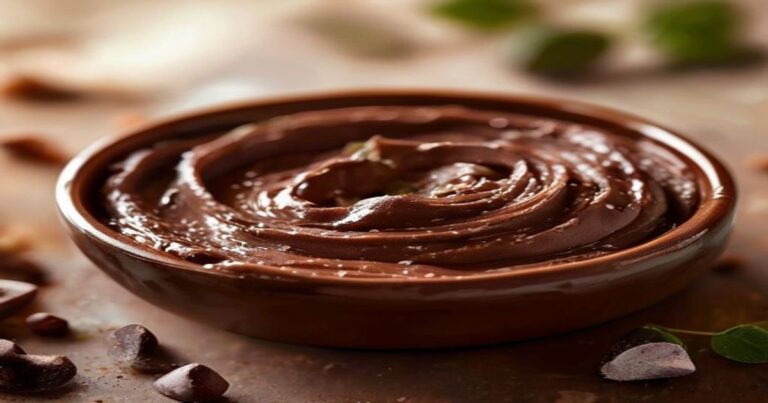
Fresh salsa is best consumed within 24 to 48 hours. Because of the high water content in tomatoes, the mixture will become increasingly liquid over time. Store your salsa in an airtight glass container in the refrigerator to prevent it from absorbing other refrigerator odors. If you are interested in exploring other homemade pantry staples, consider looking into chocolate spread recipes from scratch to round out your kitchen repertoire, or visit the official reporting on the culinary history of salsa for more context on its cultural importance.
Serving Suggestions
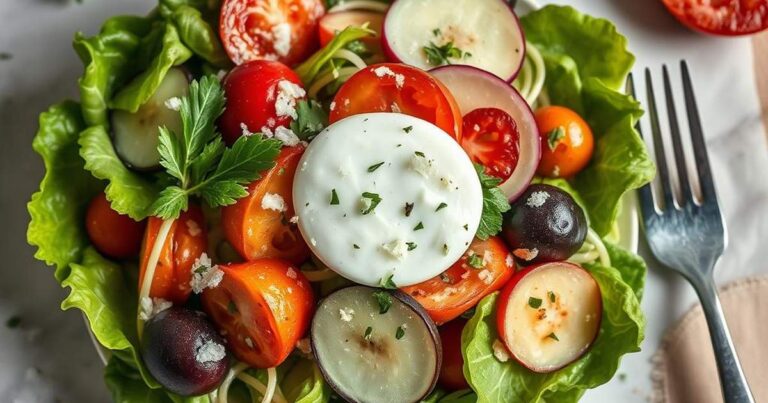
Serve your salsa alongside warm, lightly salted tortilla chips. It also acts as an excellent topping for simple chicken breast recipes or as a fresh component in grain bowls. For those looking to diversify their meal planning, you may also appreciate our essential summer salad recipes which highlight fresh produce in similar ways.
FAQs
How long can I keep homemade salsa in the fridge?
You can keep your salsa in an airtight container for up to 3 days. Beyond that, the tomatoes will begin to break down significantly, and the texture will lose its appeal.
Can I freeze fresh salsa?
Freezing fresh salsa is not recommended. The high moisture content in raw tomatoes causes them to become mushy upon thawing, ruining the texture of the dish. It is better to make smaller, fresh batches.
How do I make the salsa less spicy?
The heat in salsa comes primarily from the jalapeño ribs and seeds. Removing these entirely before mincing the pepper will drastically reduce the heat level while maintaining the fresh, grassy flavor of the pepper.
If you have enjoyed mastering these techniques, please reach out or check back for more culinary guides. We are dedicated to helping you refine your home cooking skills with reliable, expert-backed methods.
{ “recipe_name”: “Fresh Homemade Salsa”, “recipe_description”: “A classic, vibrant homemade salsa featuring fresh tomatoes, crisp onions, and a touch of heat, perfect for any occasion.”, “recipe_yield”: “2 cups”, “prep_time_minutes”: 15, “cook_time_minutes”: 0, “total_time_minutes”: 15, “ingredients”: “4 Roma tomatoes\n1/2 white onion\n1/2 cup fresh cilantro\n1-2 jalapeño peppers\n2 tablespoons lime juice\n1/2 teaspoon sea salt\n1/4 teaspoon ground cumin”, “instructions”: “Wash and dice tomatoes.\nFinely chop onion, cilantro, and jalapeño.\nCombine ingredients in a bowl.\nAdd lime juice, salt, and cumin.\nFold gently.\nRefrigerate for 30 minutes before serving.”, “recipe_image”: “”, “nutrition_calories”: “25 kcal per serving”, “video_url”: “”, “author_name”: “El Mordjene Expert Team”, “recipe_keywords”: “salsa, fresh salsa, mexican, appetizer, homemade”, “recipecuisine”: “Mexican”, “recipecategory”: “Recipes”, “video_upload_date”: “” }