Refreshing Peach Salsa Recipe: A Balanced Summer Favorite

Understanding the Flavor Profile
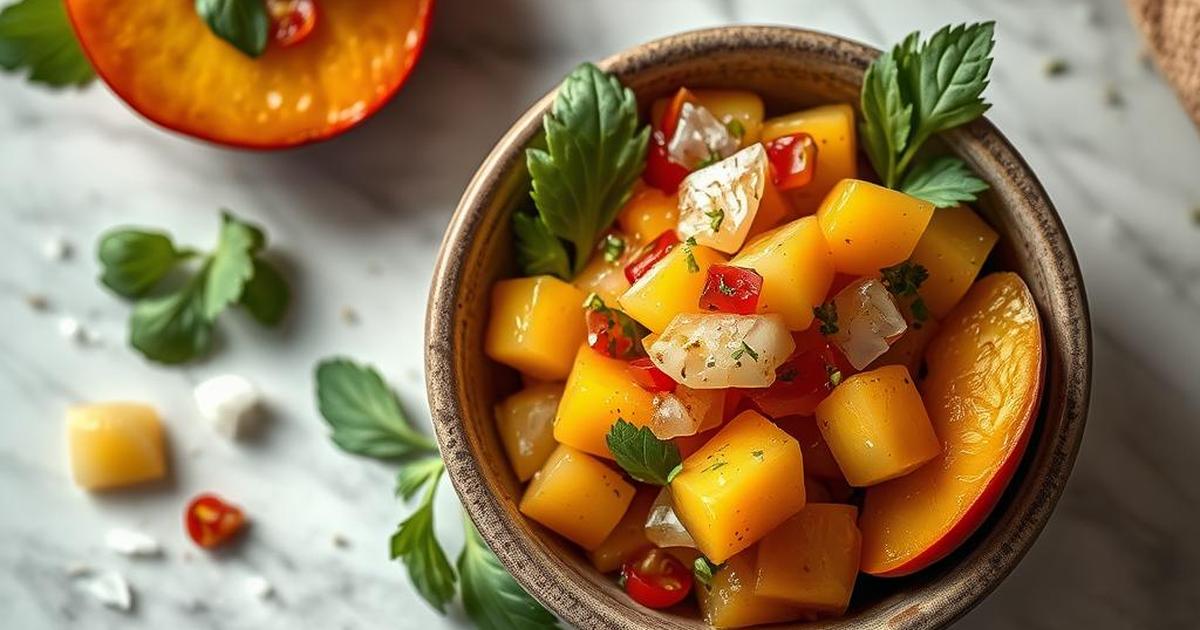
A high-quality peach salsa recipe relies on the delicate balance between the natural sugars of ripe stone fruit and the sharp, acidic bite of aromatics. Unlike traditional tomato-based salsas, this version leans into a bright, fruit-forward profile that serves as an excellent condiment for grilled proteins, specifically white fish or pork, and provides a sophisticated alternative to standard dips. By selecting produce at its peak ripeness, you ensure a texture that remains firm enough to scoop yet soft enough to meld with lime and cilantro.
Recipe Snapshot
- Yield: Approximately 2 to 2.5 cups
- Prep Time: 15 minutes
- Resting Time: 20 minutes
- Total Time: 35 minutes
- Key Notes: Use freestone peaches if possible, as they are easier to pit and dice uniformly.
Ingredients
- 3 large, ripe yellow peaches, pitted and diced
- 1/2 small red onion, finely minced
- 1 fresh jalapeño, seeded and finely diced (adjust for heat)
- 1/2 cup fresh cilantro leaves, chopped
- 1 tablespoon fresh lime juice (about half a lime)
- 1/4 teaspoon fine sea salt, plus more to taste
- 1/4 teaspoon ground cumin (optional, for earthiness)
Step-by-Step Instructions
- Prepare the peaches by washing them thoroughly. Slice the flesh away from the pit and cut into consistent 1/2-inch cubes.
- In a medium glass or stainless steel mixing bowl, combine the diced peaches, red onion, and jalapeño. Using non-reactive materials prevents metallic flavor transfer.
- Gently fold in the chopped cilantro, lime juice, sea salt, and optional cumin. Use a silicone spatula to avoid crushing the delicate fruit.
- Cover the bowl and allow the mixture to rest in the refrigerator for at least 20 minutes. This resting phase allows the salt to draw out a small amount of liquid from the fruit, creating a light, flavorful glaze that binds the salsa ingredients together.
- Taste just before serving and adjust salt or lime juice if needed.
Variations and Substitutions
While the classic iteration focuses on the vibrant contrast of peach and onion, you can tailor this to your pantry needs. Nectarines serve as a direct swap if peaches are unavailable, as they share similar acidity levels. For a tropical twist, some variations incorporate diced mango or pineapple, though this will significantly increase the overall sugar content of the dish. If you prefer a milder version, substitute the jalapeño with sweet bell pepper or a small amount of roasted poblano to introduce a smoky element without the capsaicin heat.
Storage and Make-Ahead Guidance
Fresh peach salsa is best consumed within 24 hours of preparation. Because fresh fruit begins to soften and release excess juice over time, storing it for longer periods will result in a watery consistency. If you must prepare it in advance, keep the salsa in an airtight container in the refrigerator, but omit the salt until 15 minutes before serving to maintain the structure of the diced peaches. Avoid freezing, as the thawing process breaks down the cell walls of the fruit, resulting in an unpleasant, mushy texture.
- Choose peaches that yield slightly to gentle pressure; over-ripe fruit will dissolve into a compote consistency.
- Consistency is key: dice the onion and jalapeño to a size smaller than the peach cubes for better distribution of flavor.
- Acid is essential: ensure the lime juice is freshly squeezed, as bottled alternatives often contain preservatives that mask the fruit’s brightness.
Serving Suggestions
This condiment pairs exceptionally well with homemade salsa standards, but it truly shines when served alongside grilled poultry or white fish. It also serves as a delightful contrast to salty tortilla chips or can be layered into a vegetarian taco for added complexity. For those interested in balancing sweetness in their meals, explore our other summer fruit applications like our perfect peach crumble recipe for dessert.
FAQs
Can I use canned peaches for this recipe?
It is not recommended. Canned peaches are typically preserved in syrup and have a soft, mushy texture that does not provide the structural integrity required for a fresh salsa.
How do I handle the heat level?
The majority of heat in a jalapeño resides in the white pith and the seeds. To minimize the spice, ensure all seeds and white membranes are completely removed before dicing the pepper. Always wash your hands immediately after handling fresh chiles.
Is it necessary to peel the peaches?
Peeling is purely a matter of preference. If the skins are thin and tender, they can be left on to add color and fiber. If you find the skins tough, blanching the peaches in boiling water for 30 seconds before plunging them into an ice bath will allow the skins to slip off effortlessly.
Are there nutritional benefits to stone fruits?
According to the USDA Nutrition.gov portal, stone fruits like peaches are natural sources of vitamins A and C, as well as dietary fiber, which contributes to overall digestive health in a balanced diet.
Expand Your Culinary Repertoire
If you enjoyed mastering this fresh fruit condiment, continue exploring our collection of seasonal recipes. Whether you are looking for savory pairings or classic comfort desserts, our site offers a variety of techniques to help you make the most of local produce. Dive into our archives for more inspiration on how to elevate your home cooking with simple, high-quality ingredients.