Classic Homemade Cookie Recipes for Every Kitchen

Baking is both a science and a creative outlet, and mastering fundamental cookie recipes remains the most accessible way to sharpen your culinary skills. Whether you prefer a soft, chewy center or a crisp, golden edge, understanding how specific ingredients interact within your dough is the key to consistent, professional-quality results at home.
Recipe Snapshot
- Yield: 24 cookies
- Prep Time: 15 minutes
- Cook Time: 12 minutes
- Total Time: 27 minutes (plus chilling)
Ingredients
- 225g unsalted butter, softened
- 150g granulated white sugar
- 175g packed light brown sugar
- 2 large eggs, room temperature
- 1 teaspoon vanilla extract
- 375g all-purpose flour
- 1 teaspoon baking soda
- 1/2 teaspoon salt
- 300g semi-sweet chocolate chips
Step-by-Step Instructions
- Preheat your oven to 175°C (350°F) and line two large baking sheets with parchment paper to ensure even heat distribution.
- In a large mixing bowl, cream together the softened butter, white sugar, and brown sugar until the mixture is light and aerated.
- Beat in the eggs one at a time, followed by the vanilla extract, ensuring the mixture is fully emulsified.
- In a separate bowl, whisk together the flour, baking soda, and salt. Gradually fold the dry ingredients into the wet ingredients until just combined; be careful not to overmix, as this develops gluten and can toughen the texture.
- Fold in the chocolate chips by hand.
- For the best structure, chill the dough for at least 30 minutes. Once chilled, scoop rounded tablespoons of dough onto the prepared baking sheets, leaving 5cm of space between them.
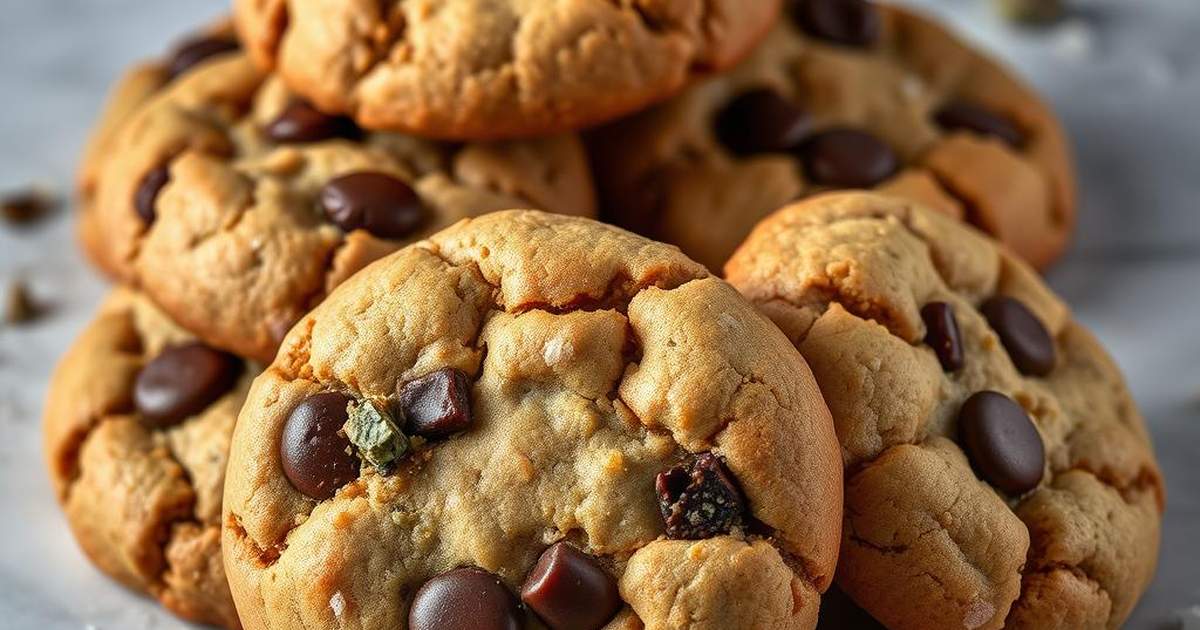
- Bake for 10 to 12 minutes, or until the edges are golden brown but the centers remain slightly soft.
- Remove from the oven and allow the cookies to rest on the baking sheet for 5 minutes before transferring to a wire rack to cool completely.
Tips for Success
Variations and Substitutions
The beauty of basic cookie recipes lies in their versatility. You can substitute a portion of the all-purpose flour with almond flour for a nutty flavor profile, or swap chocolate chips for dried fruits and toasted nuts. To explore the intersection of traditional baking and modern dessert trends, many bakers enjoy incorporating high-quality spreads; for creative inspiration, you might look into chocolate spread recipes from scratch to add a decadent center to your dough.
If you prefer a gluten-free alternative, ensure your flour blend includes xanthan gum to replicate the binding properties of wheat flour. Adjusting the ratio of brown sugar to white sugar also dictates the final outcome; brown sugar contains molasses, which adds moisture and creates a chewier cookie, whereas white sugar promotes crispness.
Storage and Make-Ahead Guidance
Cookie dough can be prepared up to 48 hours in advance and kept in the refrigerator, which actually improves the flavor by allowing the hydration of the flour to fully stabilize. For longer storage, scoop the dough into individual balls and freeze them on a tray before transferring them to an airtight container. Frozen dough can be baked directly from the freezer, though you should add 1 to 2 minutes to the total bake time. For further information on food safety standards, consult the U.S. Food and Drug Administration guidelines on safe handling of flour and raw eggs.
Key Takeaways
- Measure flour by weight rather than volume for maximum precision.
- Chilling the dough prevents excessive spreading during the baking process.
- Resting the cookies on the hot tray after removal from the oven allows the center to set gently without burning the bottom.
Serving Suggestions
These treats are best served alongside a glass of cold milk or coffee. For a sophisticated finish, sprinkle a small amount of flaky sea salt over the tops of the cookies immediately after they come out of the oven to balance the sweetness. If you are looking to refine your kitchen repertoire further, consider exploring more homemade chocolate recipes that pair well with classic oven-baked goods.
Whether you are a novice or a seasoned baker, the secret to the best cookies is patience—both in chilling the dough and in cooling the finished product. We hope these techniques help you build a reliable foundation for all your future baking projects. Happy baking!