Understanding the Evolution and Science of Cake

- Baking is a precise chemical process involving the interaction of proteins, fats, and leavening agents.
- Understanding the “why” behind ingredient ratios prevents common structural failures.
- Distinguishing between culinary myths and scientifically proven methods is the key to consistent results.
Defining the Modern Culinary Staple
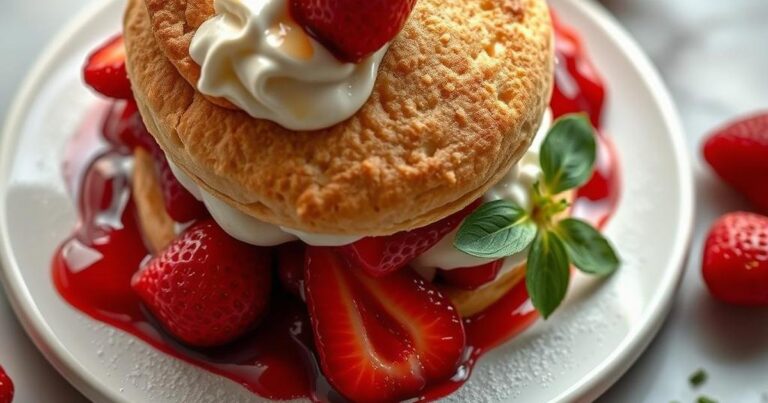
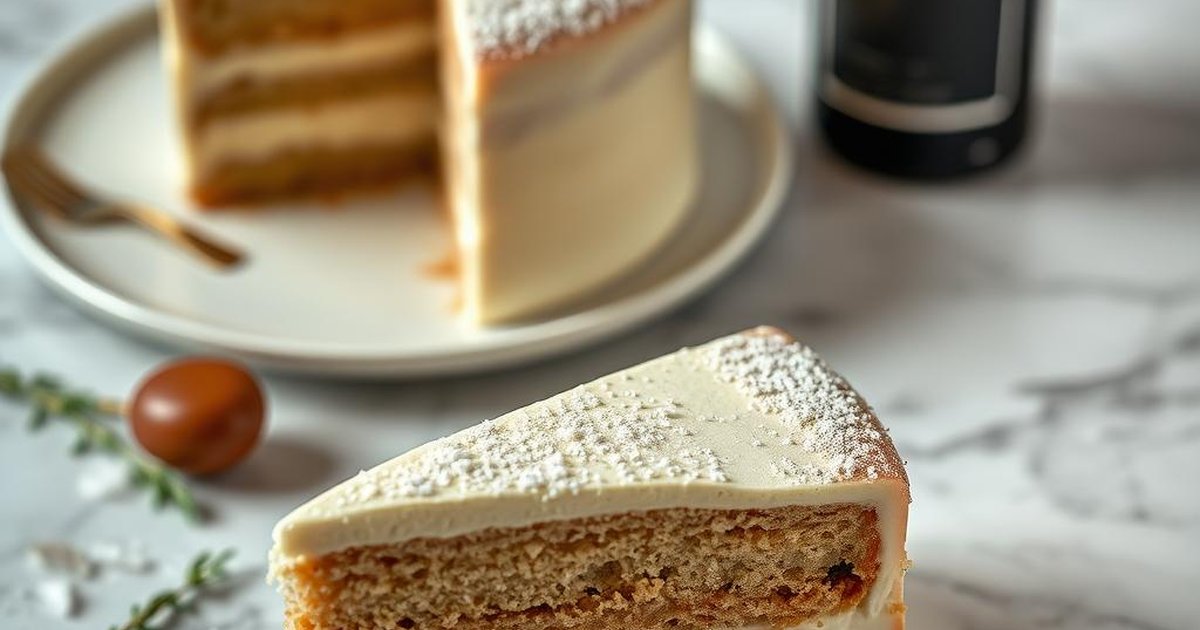
At its core, a baked dessert is a culinary creation typically composed of a structured blend of flour, sugar, eggs, and fats, transformed by heat into a cohesive, crumb-based delight. While the term encompasses everything from dense fruit-heavy loaves to delicate, aerated sponges, the fundamental success of any creation relies on the precise balance of chemistry. Understanding these variables allows bakers to troubleshoot common issues such as collapsed centers or uneven textures, turning a simple mix of pantry staples into a reliable masterwork.
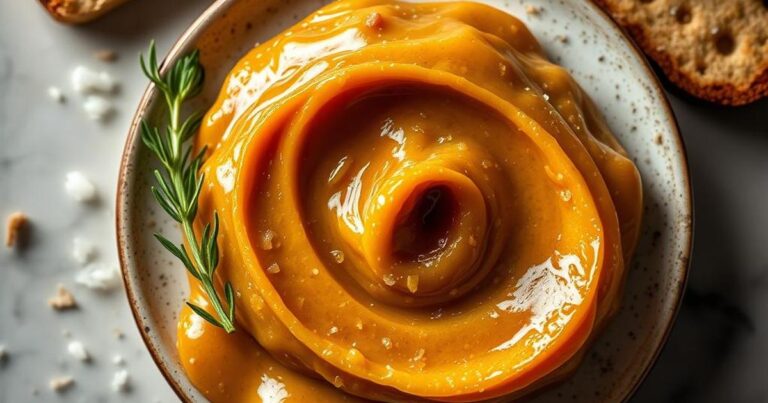
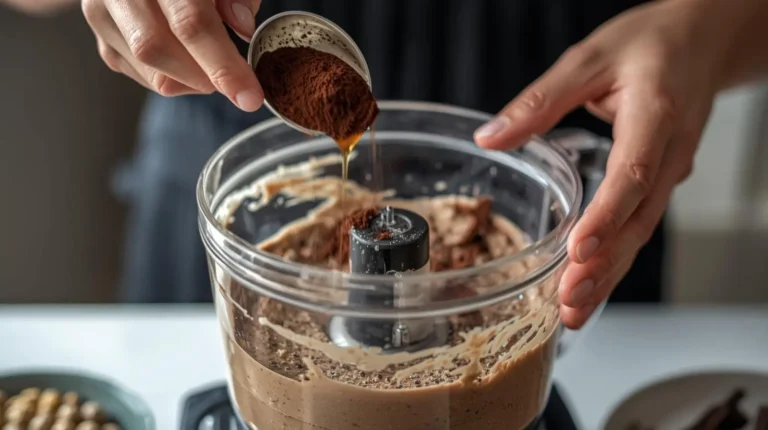
The history of this dessert is as layered as the products themselves, evolving from early, bread-like honeyed preparations to the complex, chemically leavened tiers we recognize today. Modern baking benefits from advancements in grain milling and controlled leavening agents, which allow for a consistent crumb structure that was largely unachievable in earlier culinary history. For those interested in the chemistry behind sweet spreads often used to finish these creations, you can read more about chocolate spread recipes from scratch to complement your baking repertoire.
Myth vs. Fact: Evidence in the Kitchen
Baking is often surrounded by kitchen lore that does not always align with scientific evidence. Clearing these misconceptions is essential for achieving professional-level results.
- Myth: Adding extra eggs always results in a richer, better product. Fact: Excessive protein can lead to a rubbery or tough texture. Eggs act as both a binder and a structural element; following established ratios is more critical than increasing volume.
- Myth: You must always use room-temperature ingredients. Fact: While temperature is vital for aeration (creaming butter and sugar), specific recipes—such as those using solid fats for a flaky finish—often require cold components.
- Myth: Baking soda and baking powder are interchangeable. Fact: These are chemically distinct. Baking soda requires an acidic component (such as buttermilk or yogurt) to activate, whereas baking powder contains its own acidic component and is formulated for neutral-batter applications.
Precision is paramount in baking. Whenever possible, use a digital kitchen scale to measure dry ingredients by weight rather than volume. A cup of flour can vary by as much as 20% depending on how it is scooped, which is often the silent culprit behind a failed recipe.
The Science of Structure
The internal architecture of any baked good is governed by the coagulation of proteins and the gelatinization of starches. When you heat a batter, the leavening agents produce gas, which is trapped by the elastic network formed by gluten. If the structural proteins set too early or too late, the result is either a dense, sunken center or an over-risen product that collapses upon cooling. Controlling the oven environment—specifically temperature consistency—is the primary variable that ensures the heat transfer occurs at the exact rate needed for these biological processes to stabilize.
For a detailed perspective on industrial food production standards and quality control, refer to this official resource from the Food and Agriculture Organization regarding food safety and systemic control.
Action Plan: Improving Your Technique
To move from novice baker to an expert practitioner, follow this sequence to master the fundamentals:
- Verify your leavening agents: Ensure your baking powder is active by mixing a small amount with warm water; it should fizz immediately.
- Standardize your oven: Use an independent thermometer to verify that your oven reaches the target temperature, as internal sensors are notoriously inaccurate.
- Respect the rest: Allow your finished product to cool completely on a wire rack to ensure the internal crumb structure sets before slicing.
- Explore pairings: Experiment with different flavor profiles. For creative ideas, consider how you might utilize a homemade El Mordjene spread recipe as a filling or ganache substitute.
FAQs
Why does my center collapse after baking?
A collapse usually indicates that the structure was not strong enough to hold the air bubbles, often due to under-baking, excessive leavening, or opening the oven door too early during the initial rising phase.
Can I substitute sugar with liquid sweeteners?
Not directly. Sugar provides bulk, retains moisture, and aids in the creaming process. Replacing granulated sugar with honey or agave requires significant adjustments to the liquid ratios and cooking temperature to prevent burning.
How do I know when the process is truly finished?
The most reliable method is using a digital probe thermometer. Most cakes are fully set when the center reaches between 200°F and 210°F (93°C–99°C). A toothpick test is useful but remains a subjective estimation.
Ready to master your next kitchen project? Continue exploring the art of fine ingredients and techniques to elevate your culinary skills.
{
“recipe_name”: “”,
“recipe_description”: “”,
“recipe_yield”: “”,
“prep_time_minutes”: 0,
“cook_time_minutes”: 0,
“total_time_minutes”: 0,
“ingredients”: “”,
“instructions”: “”,
“recipe_image”: “”,
“nutrition_calories”: “”,
“video_url”: “”,
“author_name”: “”,
“recipe_keywords”: “”,
“recipecuisine”: “”,
“recipecategory”: “”,
“video_upload_date”: “”
}