The Forbidden Treats List: Why Your Favorite American Snacks are Illegal in Europe

Reading Time: 6 Minutes
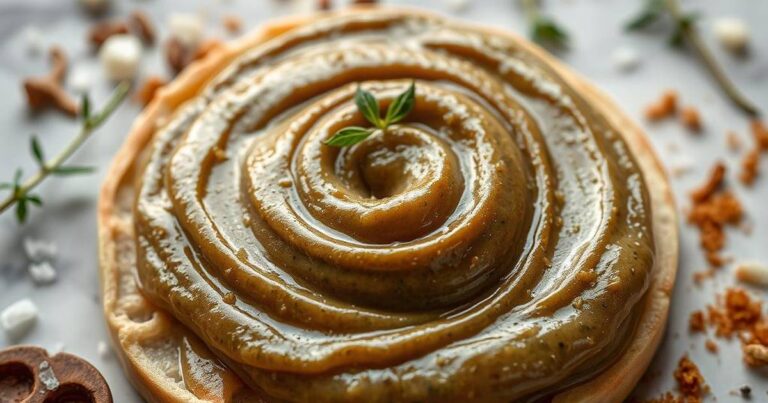
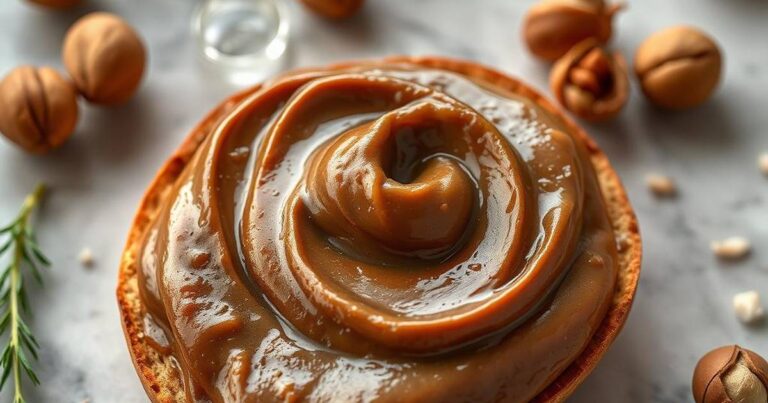
You probably heard about the “El Mordjene” scandal. In late 2024, European customs blocked shipments of the viral Algerian hazelnut spread, leaving thousands of fans heartbroken. But here is the secret the headlines missed: El Mordjene isn’t the only “forbidden fruit” getting seized at the border.
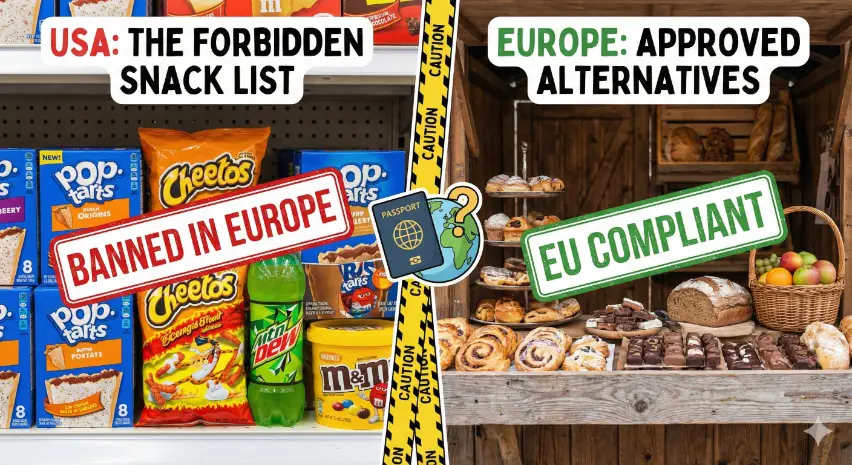
Every day, thousands of pounds of iconic American snacks, from Skittles to Mountain Dew, are quietly confiscated by customs officers in France, Germany, and the UK.
Why? Because while the packaging looks the same, the ingredients inside are legally considered dangerous in the European Union.
Welcome to the “Ingredient War.” In this article, we’re breaking down the specific chemicals that make your favorite American snacks illegal in Europe, and why the US is finally starting to catch up.
1. The “Skittles” Scandal: Why France Banned E171
If you buy a bag of Skittles in New York and another in Paris, you are eating two completely different candies.
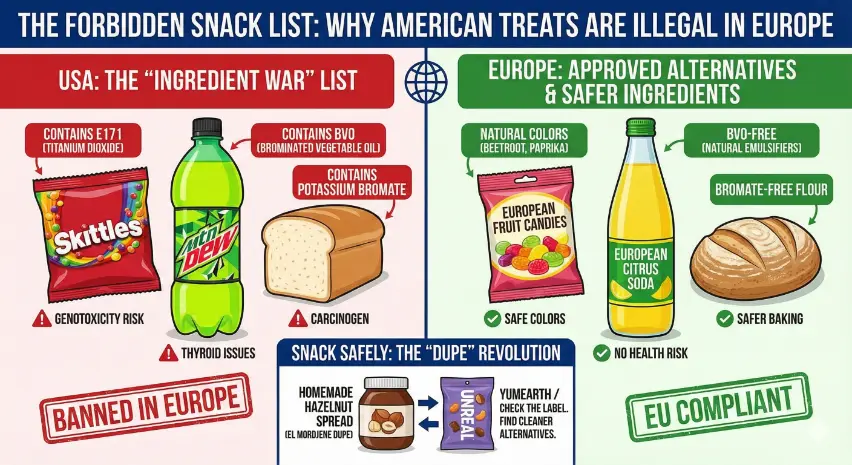
The American version contains Titanium Dioxide (E171). It’s a whitening agent used to make the colors pop and the “S” on the candy look crisp. It does nothing for the flavor; it is purely cosmetic.
The Danger: In 2020, France became the first country to say “Stop.” French researchers at INRAE discovered that Titanium Dioxide nanoparticles could cross the intestinal barrier and accumulate in the liver and spleen, potentially damaging DNA (genotoxicity). The EU followed France’s lead and banned it completely in 2022.
The Status in 2025: In the US, the FDA still considers it safe. However, due to the “California Effect” (where California passed laws banning similar additives), manufacturers like Mars are slowly reformulating. But for now? If you bring American Skittles into Europe, you are technically importing a banned substance.
2. Mountain Dew and the “Flame Retardant” Soda
For decades, the neon-green glow of Mountain Dew was powered by a chemical called Brominated Vegetable Oil (BVO).
BVO acts as an emulsifier. Without it, the citrus flavoring would separate and float to the top of the bottle. The problem? It contains Bromine, a chemical element also used in flame retardants for furniture.
The Danger: Bromine competes with iodine in the body. If you drink enough BVO, the bromine can build up in your tissues, leading to thyroid issues, memory loss, and skin lesions. Europe and Japan banned BVO years ago.
The Good News: After 50 years of allowing it, the US FDA finally revoked authorization for BVO in August 2024. By late 2025, you should stop seeing it on American shelves, but many off-brand citrus sodas and older stocks still contain it. In Europe, Mountain Dew has always been yellow (not neon green) and BVO-free.
3. The “Southampton Six”: Why American Candy Comes with a Warning Label
Have you ever looked at a box of Lucky Charms or a bottle of SunnyD? They are vibrant, almost glowing. That color comes from petroleum-based dyes like Red 40, Yellow 5, and Yellow 6.
The Danger: In Europe, these dyes are not technically “banned,” but they come with a heavy price. Following the “Southampton Study,” which linked these dyes to hyperactivity in children, the EU requires a mandatory warning label on any food containing them:
“May have an adverse effect on activity and attention in children.”
No brand wants that warning on their package. So, in Europe, manufacturers voluntarily reformulated. They use beetroot, paprika, and turmeric to color their candy. In the US, where no warning is required, they stick to the cheaper petroleum dyes.
4. Potassium Bromate: The Cancer Risk in Your Bread
This is perhaps the most shocking difference. In the US, Potassium Bromate is added to flour to strengthen the dough and help it rise higher in the oven. It makes hamburger buns fluffy and white.
The Danger: It is a recognized carcinogen. In lab tests, it caused kidney and thyroid tumors in rats. It has been banned in the EU, Canada, Brazil, and China. Yet, it remains perfectly legal in the US (except in California). If you eat a burger in Los Angeles, the bun is bromate-free. If you eat one in Texas? It likely isn’t.
5. The “Dupe” Revolution: How to Snack Safely
So, what does this mean for you?
If you are in the US, you don’t have to wait for the FDA to act. The rise of “Dupe” Culture, finding cleaner alternatives to viral snacks, is exploding.
- Instead of Skittles: Try Unreal Snacks or YumEarth. They use fruit juices for color.
- Instead of Mountain Dew: Look for Olipop or prebiotic sodas that replicate the citrus kick without the BVO.
- Instead of El Mordjene: Stay tuned. We have perfected a homemade roasted hazelnut cream recipe that mimics the banned Algerian spread perfectly, without the customs risk.
The Bottom Line: The gap between American and European food safety is closing, but slowly. Until then, always check the label. If you see “Titanium Dioxide” or “Red 40,” you’re eating ingredients that the rest of the developed world has rejected.
Want to make your own “Banned” treats at home? Check out our recipe section for the ultimate DIY El Mordjene Dupe. You can also explore the California 2027 Snack Ban details here.