El Mordjene and the EU Import Ban: A Detailed Analysis

Understanding the Current Situation
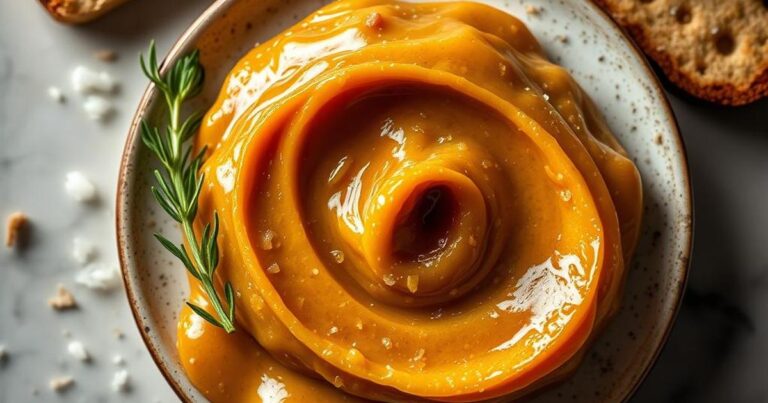
The recent reports concerning the status of the Algerian confectionery product known as el mordjene have generated significant discussion regarding international food trade and regulatory compliance. At the heart of the matter is an administrative decision by European Union authorities to restrict the import of this specific hazelnut-based chocolate spread. While social media speculation has frequently framed this as a targeted effort to protect established industry giants like Nutella, the reality centers on complex regulatory frameworks governing non-EU food imports.
For readers looking to understand the core facts, it is essential to distinguish between market protectionism and standardized food safety protocols. The European Union maintains rigorous health and safety standards for all food products entering its member states. When a product from a non-EU country faces import restrictions, it is typically due to a lack of alignment with these specific regulatory requirements rather than a strategic maneuver to support a single competitor.
- The restriction on el mordjene is primarily linked to EU regulatory compliance for imports from outside the European Economic Area.
- Speculation regarding the protection of major brands remains anecdotal and is not substantiated by official EU legislative mandates.
- Consumers should look to official customs and health authority statements for the most accurate, up-to-date status on specific product availability.
The Role of Regulatory Compliance
To operate within the EU market, food products must comply with strict rules regarding ingredients, production facilities, and health certification. These rules ensure that all products sold within the bloc meet identical safety benchmarks. As noted in coverage by Firstpost, the scrutiny applied to imported spreads often involves evaluating how dairy or other animal-derived ingredients are processed and sourced.
When a product like el mordjene gains sudden, viral popularity, it often enters the European market via unofficial channels or small-scale importers before formal authorization is complete. This can lead to friction when local food safety inspectors identify products that have not gone through the necessary health-standard verification process. This situation is not unique to Algerian products; it is a standard procedural hurdle for any international food brand seeking to scale its distribution into the European market.
Social Media Influence on Product Visibility
The rapid rise of this spread is a textbook example of how modern digital platforms can influence consumer demand. Viral reviews and taste-test videos on platforms like TikTok contributed to an overwhelming surge in interest, causing demand to outpace established distribution networks. This viral effect often creates a sense of scarcity, which in turn leads to speculative narratives about why the product is difficult to find in certain regions. The combination of high consumer demand and an unclear regulatory status has provided the perfect conditions for rumors to spread faster than official clarifications.
Regional Context and Market Dynamics
In Algeria, the product is a well-regarded local staple, reflecting a robust domestic food industry. The transition from a regional favorite to an international topic of debate highlights the challenges faced by emerging brands when they encounter the stringent barriers of the European single market. For those interested in the history of such products, you can find more context in El Mordjene: The Algerian Spread Shaking Global Markets.
If you are looking to understand the complexities of making your own spreads at home while navigating these market shifts, check out our guide on chocolate spread recipes from scratch to experiment with flavors and textures in your own kitchen.
The 30-90 Day Outlook
In the coming months, we can expect one of two outcomes. Either the manufacturer will work with European regulatory bodies to satisfy the necessary documentation and safety audits to resume formal imports, or the product will remain limited to niche, non-official channels. Historically, food manufacturers that invest in the necessary certification processes often find a path to legal distribution. However, this process is rarely fast, and consumers should not expect immediate, widespread availability in major supermarket chains in the short term.
FAQs
Is the ban on the spread permanent?
Official reports suggest that the current restriction is based on specific regulatory hurdles regarding food import compliance. It is not necessarily a permanent ban; companies can often resolve these issues by aligning their production and certification with EU standards.
Is this really about protecting big brands?
There is no evidence to suggest that the EU regulations were designed specifically to favor other brands. The rules for importing food products apply equally to all non-EU nations and are intended to ensure consumer safety, not market competition.
Where can I find updates on this situation?
For the most reliable information, monitor official notifications from the European Food Safety Authority (EFSA) or national food safety agencies in your specific country. Further analysis can also be found at El Mordjene: The Algerian Spread Making Global Headlines.
Conclusion
The situation surrounding this Algerian spread serves as a reminder of the significant administrative work required to bring international food products to the European market. While the story has been colored by online speculation, the underlying reality remains a matter of trade policy and food safety verification. As the brand continues to navigate these challenges, consumers are encouraged to rely on transparent regulatory updates rather than social media commentary to understand the availability of their favorite products.