Understanding the El Mordjene Spread Luxembourg Hunt

- Luxembourg authorities have initiated checks regarding the presence of El Mordjene spread in the local market.
- The product is currently under scrutiny due to potential non-compliance with European Union food safety regulations.
- Consumers are advised to stay informed through official government channels as the situation regarding its distribution evolves.
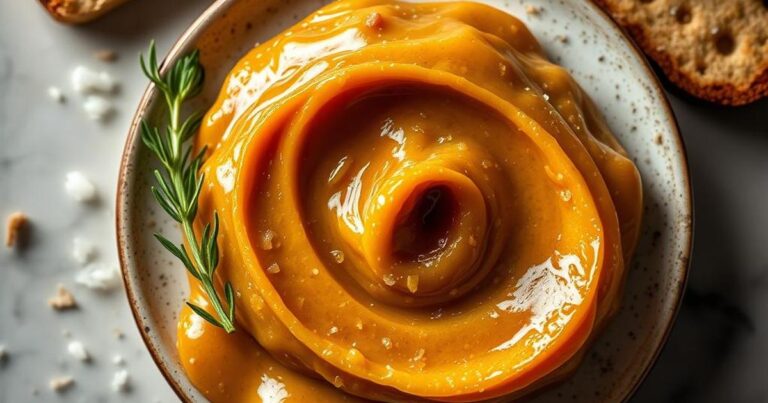
Recent reports have highlighted that the Luxembourg government is actively investigating the presence of the Algerian hazelnut spread, El Mordjene, within its borders. This development follows broader concerns within the European Union regarding the product’s compliance with strict regional food safety standards. For many, this sudden regulatory interest has turned a popular pantry item into a subject of intense administrative review, raising questions about its availability and the reasons behind such strict market oversight.
What Triggered the Investigation?
The core of the issue lies in the alignment between non-EU food production standards and the rigorous safety requirements mandated by the European Union. Products entering the EU market must satisfy specific sanitary and health criteria. When a product, such as the widely discussed El Mordjene spread, gains significant popularity, regulatory bodies often conduct thorough reviews to ensure that every ingredient and production process meets the bloc’s health directives.
According to reports from RTL Today, the Luxembourg authorities are currently hunting for this elusive spread as part of their commitment to enforcing these safety protocols. The intervention is not necessarily a reflection of individual consumer experiences, but rather a standard procedure applied to imported goods that have not yet undergone the full EU certification process for large-scale distribution.
The Regulatory Landscape in the EU
The European Union maintains one of the world’s strictest food safety frameworks. This includes detailed requirements for labeling, the use of additives, and the sourcing of dairy and nut products. For a product to be sold legally across all EU member states, it must clear specific bureaucratic hurdles. If a food item is identified as potentially falling short of these standards, national authorities—such as those in Luxembourg—are required to take protective measures, which may include investigations into supply chains and potential withdrawals from the market.
For more context on the ongoing challenges surrounding this product, you may find it helpful to read about the reality of the banned El Mordjene spread, which explores the complexities of its market presence.
If you are a retailer or a consumer concerned about the legality of a food product, always consult the official website of your national food safety agency. In Luxembourg, the Ministry of Consumer Protection frequently updates lists of products that are under investigation or subject to recall.
Common Questions Regarding Market Restrictions
Many consumers are confused by the term “banned” and how it applies to their favorite goods. Often, when a news outlet reports that a product is being sought by authorities, it means that the goods are being removed from shelves to prevent illegal sales until the manufacturer can demonstrate full compliance. It does not necessarily imply that the product is harmful in an immediate or acute sense, but rather that it lacks the administrative “green light” required for legal sale within the EU single market.
Understanding the difference between a total ban and a regulatory pause is essential. For further reading on why this product has faced such intense scrutiny, see the controversy surrounding El Mordjene spread.
What Should Consumers and Retailers Do?
If you have purchased this spread, there is no cause for panic, but it is wise to follow official guidance. Retailers should be particularly careful to verify that any inventory they hold is permitted for sale within their jurisdiction. As regulatory bodies continue to monitor the situation, they may issue further clarifications or specific instructions regarding the disposal or return of stock.
Stay Informed
The situation involving the availability of this spread is dynamic. As food safety inspectors in Luxembourg and other EU nations finalize their reports, more concrete information will likely become available. For the latest updates, keep an eye on government food safety alerts and reputable news outlets that cover European regulatory shifts.
FAQs
Why is the Luxembourg government investigating El Mordjene?
The investigation is focused on ensuring that the product complies with strict European Union food safety and import regulations, which are required for all food products sold within the bloc.
Is it illegal to consume the spread if I already have it?
Generally, investigations of this nature are aimed at the commercial sale and distribution of products. The regulatory focus is on retailers to ensure that they are not selling non-compliant goods to the public.
Will El Mordjene be available again in the EU?
Future availability depends on whether the manufacturer chooses to adapt its processes or packaging to meet EU standards and successfully completes the necessary certification procedures.
Where can I find official information on food recalls?
You can monitor the official portals of the national food safety authorities in your country, which publish notices regarding products that have been officially flagged or withdrawn from the market.
{}