How to Choose the Best Peach Dessert for Any Occasion

Understanding Peach Dessert Selection
Choosing a high-quality peach dessert requires understanding the balance between fruit ripeness, preparation methods, and desired texture. Whether you are seeking a light, refreshing treat or a decadent, baked confection, your success begins with the quality of the primary fruit. Peaches are highly seasonal, and their performance in a dish depends heavily on whether they are freestone or clingstone, as well as their sugar-to-acid ratio.When selecting a peach-based treat, you must decide between two primary categories: fresh-fruit focused dishes, which rely on the raw texture of the peach, and heat-transformed dishes, where baking, poaching, or grilling caramelizes the natural sugars. If you are looking for inspiration for the warmer months, [A Guide to Refreshing Summer Desserts](https://el-mordjene.info/guide-to-refreshing-summer-desserts/) offers excellent context on how temperature affects the perception of fruit sweetness.
Key Takeaways:
- Peak seasonality for peaches typically occurs mid-summer, yielding the highest sugar content.
- The choice between baking and serving fresh depends on the variety of the peach; softer, juice-heavy varieties are best suited for preserves or raw salads.
- Always smell the stem end of a peach; a sweet, floral aroma is the most reliable indicator of internal quality.
Criteria for Evaluating Quality
When browsing for a dessert or sourcing ingredients, several factors indicate excellence. A superior dish avoids over-sweetening, which often hides the delicate floral notes inherent in high-quality fruit.Visual and Sensory Inspection
Quality peaches should have firm skin without bruising or excessive soft spots. If the fruit feels mushy, it is likely over-ripened and will disintegrate during high-heat cooking. Conversely, if you are planning to make a Classic Spiced Peach Cobbler Recipe, you want fruit that can withstand the oven’s heat without losing its structure entirely.Ingredient Authenticity
Read labels carefully for common industrial substitutes. High-fructose corn syrup or artificial flavorings are often used in commercial preparations to mask the lack of real fruit. Authentic recipes rely on natural sugars from the peach, complemented by balancing agents like lemon juice or warm spices like cinnamon and nutmeg. According to the United States Department of Agriculture (USDA), proper storage of stone fruits is essential to preserve their nutritional integrity and flavor profile.Warning Signs and Authenticity Checks
To ensure you are enjoying a genuine, high-quality experience, watch for these common red flags:- Opaque Glazes: If a tart or pie uses a cloudy, gelatinous glaze, it often signals the use of excessive starches to hide lower-quality or unripe fruit.
- Lack of Aroma: If the dessert smells strictly of sugar or spice with no discernable fruit fragrance, the peaches used were likely picked too early.
- Uniformity: While industrial production demands uniformity, a truly exceptional dessert often features slight variations in color and texture, indicating natural fruit development.
Choosing Your Preparation Method
Your choice should align with your specific needs, such as preparation time and the desired sensory experience.For the Home Baker
If you are new to working with stone fruits, start with crumbles or crisps. These are forgiving, as they do not require the precise crust management of a traditional pie. The focus here is on the contrast between the tender, cooked fruit and the crunchy, buttery topping.For the Sophisticated Palate
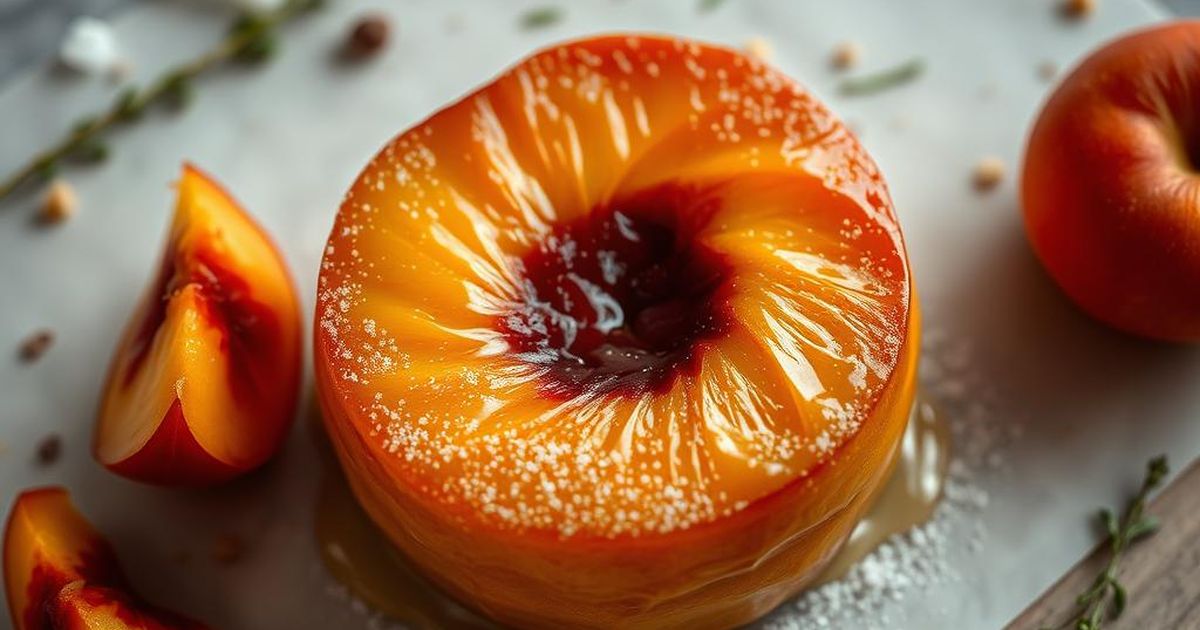
Poached peaches or those macerated in light syrups allow the complexity of the fruit to shine. These methods are ideal for lighter dining, where a heavy pastry would feel overwhelming. Pairing these with light creams or balanced, subtle herbs like basil or thyme can elevate the experience significantly.
Practical Tip:
To prevent peaches from turning brown after slicing, toss them immediately in a mixture of lemon juice and a small amount of sugar. The acidity of the lemon neutralizes the enzymes that cause rapid oxidation.