The Art of Pan-Seared Cod: A Masterclass in Texture

Understanding the Basics of White Fish
A high-quality cod recipe relies on understanding the unique characteristics of Atlantic or Pacific cod. This lean, white fish is prized for its mild flavor and large, firm flakes that pull away effortlessly when properly cooked. Because cod is low in fat, it is prone to drying out if overexposed to high heat for extended periods, making precision the most important element of success in the kitchen.
When selecting fish for your next meal, look for fillets that appear translucent and firm, with a fresh, oceanic scent. Avoid any pieces that look yellowed or have a strong, “fishy” odor, as these are signs that the product is no longer at its peak. Whether you are a beginner or a seasoned home cook, mastering this protein provides a versatile foundation for a variety of flavorful preparations.
- Cod is a low-fat, high-protein fish that requires careful heat management.
- Patting the fillets completely dry before seasoning is essential for achieving a crispy crust.
- The fish is fully cooked when the internal temperature reaches 145°F (63°C) and the flesh flakes easily with a fork.
Recipe Snapshot
- Yield: 2 servings
- Prep time: 10 minutes
- Cook time: 8 minutes
- Total time: 18 minutes
Ingredients
- 2 cod fillets, approximately 6 ounces each
- 1 tablespoon olive oil
- 1 tablespoon unsalted butter
- 1/2 teaspoon kosher salt
- 1/4 teaspoon freshly cracked black pepper
- 1 clove garlic, smashed
- 1 sprig fresh thyme
- Optional: A squeeze of fresh lemon juice for finishing
Step-by-Step Preparation
- Begin by removing the fish from the refrigerator 10 minutes before cooking to allow the chill to dissipate, which helps with even heat distribution.
- Use a clean paper towel to pat the fillets dry on both sides. Moisture on the surface of the fish is the primary enemy of a good sear.
- Season both sides of the fillets generously with kosher salt and black pepper.
- Heat a stainless steel or cast-iron skillet over medium-high heat. Add the olive oil and wait until it begins to shimmer.
- Gently place the cod in the pan. Avoid moving the fish for at least 3-4 minutes. This allows the proteins to release from the pan naturally and creates a golden-brown crust.
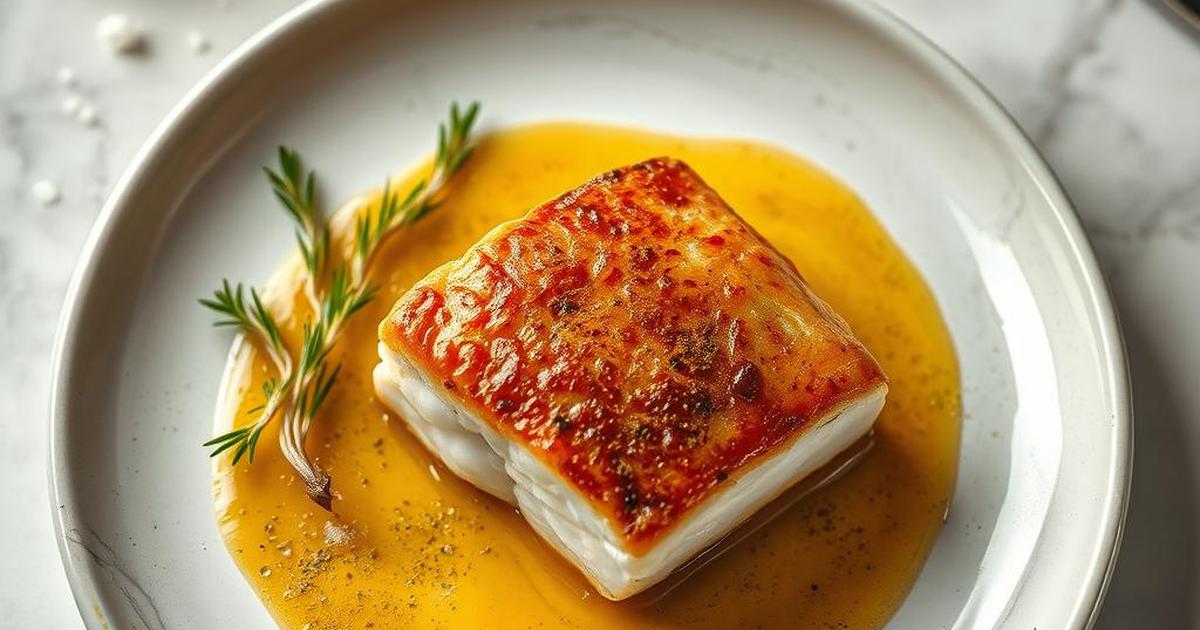
- Carefully flip the fillets. Add the butter, smashed garlic, and fresh thyme to the pan. Once the butter foams, use a spoon to baste the fish continuously for the final 2-3 minutes of cooking.
- Remove from the pan once the fish flakes easily and has an opaque appearance.
Basting, or arroser in French culinary terms, involves spooning the foaming, aromatic butter over the fish as it finishes cooking. This infuses the mild cod with the garlic and thyme flavors while keeping the top of the fillet moist, compensating for the lack of natural fat in the fish.
Variations and Substitutions
While cod is the star here, you can apply this technique to other firm white fish such as haddock or pollock. If you prefer a different flavor profile, consider dusting the fillets with a thin layer of flour or panko breadcrumbs before searing. For those interested in expanding their repertoire, you might enjoy experimenting with mastering simple chicken breast recipes or trying your hand at homemade chocolate recipes once the main course is handled.
Storage and Handling
Fresh cod is best consumed immediately. If you have leftovers, store them in an airtight container in the coldest part of your refrigerator for no longer than 24 hours. When reheating, use a low-heat setting in a pan with a drop of water to create steam, which helps prevent the fish from becoming rubbery. According to the U.S. Food and Drug Administration, maintaining proper cold chain temperatures is vital for seafood safety.
Serving Suggestions
This dish pairs beautifully with simple sides that do not overpower the delicate nature of the white fish. Consider serving it alongside steamed seasonal vegetables, a light quinoa salad, or roasted fingerling potatoes. A bright vinaigrette or a fresh gremolata can add a necessary acidic contrast to the buttery finish of the pan-seared fillet.
FAQs
Can I cook frozen cod using this method?
It is highly recommended to thaw frozen cod completely and pat it dry before cooking. Cooking frozen fish directly often leads to excessive moisture release, resulting in a steamed or soggy texture rather than a crisp sear.
How do I know when the cod is definitely done?
Beyond the visual test of the fish flaking with a fork, an instant-read meat thermometer is the most reliable tool. The USDA recommends a final internal temperature of 145°F (63°C).
Is it necessary to use butter?
While you can use olive oil alone, butter provides the fat content necessary to carry the flavors of the garlic and herbs. Using a mixture of oil and butter prevents the butter from burning too quickly while providing the desired richness.
Ready to upgrade your dinner routine? Start by mastering the sear, then explore our collection of chocolate spread recipes from scratch for a dessert that is just as expertly crafted as your meal.