Authentic Fresh Tomato Salsa Recipe: A Culinary Guide

Mastering the Fresh Salsa Recipe
The Foundation of Quality Salsa
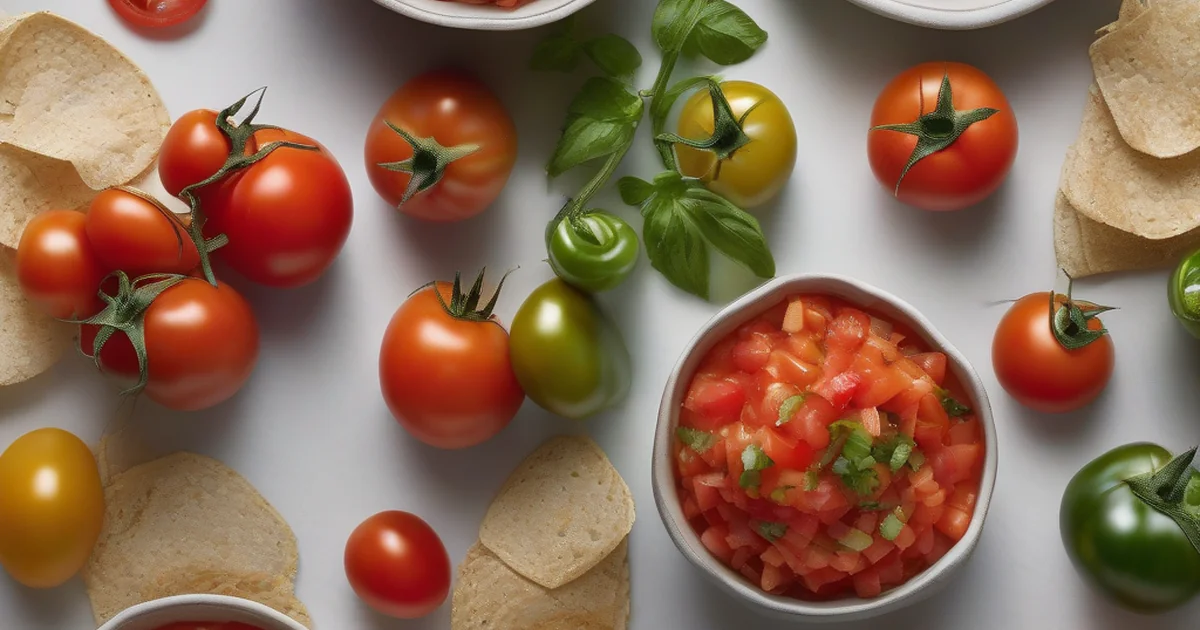
The hallmark of a superior salsa is the freshness of its components. Tomatoes should be firm but ripe; Roma tomatoes are frequently preferred for their lower water content and meaty texture, which prevents the salsa from becoming overly watery. White onions provide a sharp, clean crunch that pairs better with citrus than the milder profile of yellow or red onions.| Ingredient | Role | Prep Tip |
|---|---|---|
| Roma Tomatoes | Base/Texture | Remove seeds for firmer texture |
| White Onion | Pungency/Crunch | Finely dice for uniformity |
| Lime Juice | Acidity/Brightening | Freshly squeezed only |
Understanding Heat and Acidity
The Science of Chili Peppers explains that capsaicin levels vary significantly even within the same plant variety. Because of this, it is standard practice to taste a small piece of your serrano or jalapeño pepper before adding it to the bowl. If you prefer less heat, remove the inner membranes and seeds, where the majority of the capsaicin is concentrated.Classic Fresh Salsa
Yield: Approx 2 cups | Prep time: 15 minutes
- Prepare all vegetables by washing thoroughly and dicing to a consistent small size.
- Combine tomatoes, onion, jalapeño, and cilantro in a glass or stainless steel mixing bowl.
- Pour fresh lime juice over the mixture and sprinkle with sea salt.
- Gently toss the ingredients until well combined.
- Allow the salsa to rest for 10 minutes at room temperature before serving; this allows the salt to draw out a small amount of juices, creating a cohesive dressing.
Storage and Make-Ahead Guidance
Fresh salsa is best consumed within 24 hours of preparation. Because it contains raw vegetables, it will begin to lose its crisp texture and release excessive liquid if stored for too long. If you must prepare it ahead of time, keep the components in the refrigerator and add the salt and lime juice only 15 minutes before serving to maintain the best quality.FAQs
Can I use dried herbs if I don’t have fresh cilantro?
It is generally not recommended. Dried cilantro lacks the essential oils and volatile compounds that give fresh salsa its signature bright, herbal aroma. If fresh cilantro is unavailable, it is better to omit it or substitute with fresh flat-leaf parsley for a different but clean flavor profile.
How do I make my salsa less spicy?
To reduce the heat, remove the seeds and the white inner pith (the placenta) of the pepper entirely. If the salsa is still too spicy, you can increase the amount of diced tomato or onion to dilute the capsaicin concentration.
Why does my salsa become watery?
Wateriness is usually caused by the juice of the tomatoes or the salt acting on the vegetables. Using Roma tomatoes with the seeds removed reduces excess liquid. Additionally, avoid over-mixing, which can break down the tomato cell walls and release more moisture.