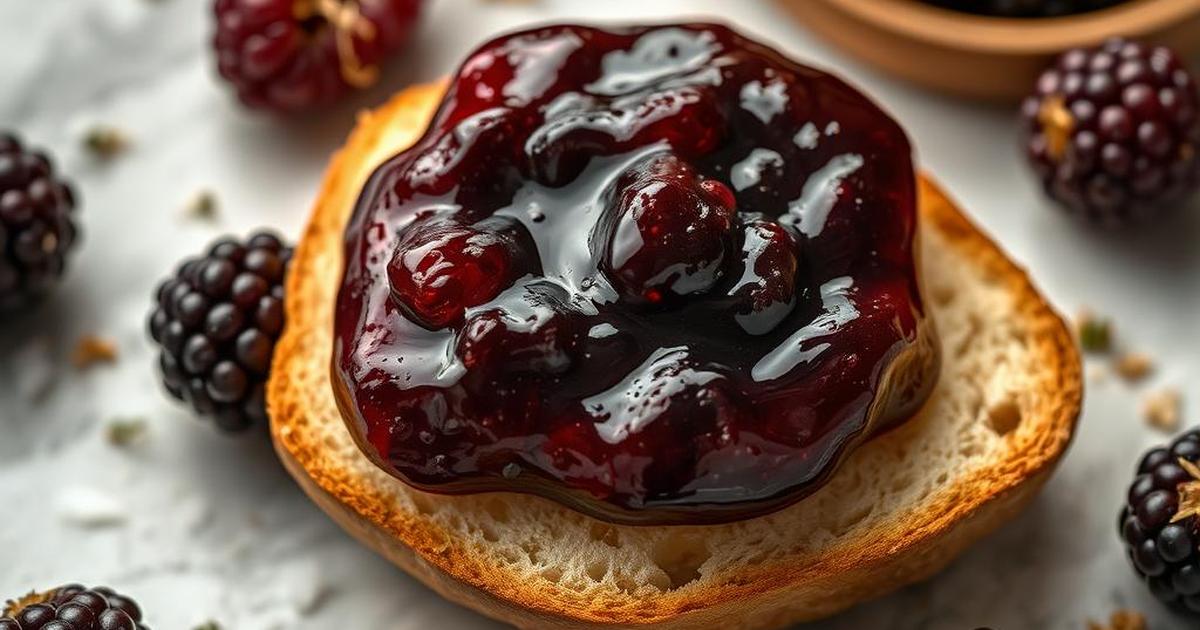
Traditional Homemade Blackberry Jam Recipe

The Essence of Classic Fruit Preserves
Making a homemade Blackberry Jam Recipe is one of the most rewarding culinary tasks, transforming fresh, tart berries into a sweet, glossy spread that captures the essence of summer. This traditional method relies on the natural pectin found in fruit, combined with sugar and heat, to achieve a perfect set without the need for commercial additives. Whether you are using wild-foraged berries or store-bought produce, the key to success lies in balancing acidity and heat to preserve the fruit’s integrity.
- Freshness is paramount; use firm, ripe blackberries for the best flavor.
- The setting point occurs at approximately 220°F (105°C).
- Properly sterilized jars are essential for safe, long-term shelf storage.
Recipe Snapshot
- Yield: Approximately 3 to 4 half-pint jars
- Prep Time: 15 minutes
- Cook Time: 25-30 minutes
- Total Time: 45 minutes
Ingredients
- 4 cups fresh blackberries, rinsed and drained
- 3 cups granulated sugar
- 2 tablespoons freshly squeezed lemon juice (provides necessary acidity)
- 1 tablespoon unsalted butter (optional, helps reduce foam)
Step-by-Step Instructions
- Prepare the Fruit: Place the blackberries in a large, heavy-bottomed stainless steel pot. Use a potato masher to crush the berries to your preferred consistency—some prefer a smooth jam, while others enjoy large fruit chunks.
- Combine Ingredients: Add the sugar and lemon juice to the crushed berries. Stir thoroughly until the sugar begins to dissolve. Let the mixture macerate for about 10 minutes.
- Heat and Boil: Place the pot over medium-high heat. Bring the mixture to a full rolling boil—a boil that does not stop bubbling when stirred. Add the butter at this stage if you wish to minimize foaming.
- Monitor the Set: Keep the jam at a rolling boil, stirring frequently to prevent scorching at the bottom. The mixture will darken and thicken as it boils.
- Testing the Texture: Use a candy thermometer to check the temperature; aim for 220°F (105°C). Alternatively, perform the “cold plate test” by placing a small amount of jam on a plate kept in the freezer; if it wrinkles when pushed with a finger, it is ready.
- Final Step: Once set, remove from heat and skim off any remaining foam from the surface using a metal spoon.
If you find your jam is not setting properly, ensure your blackberries were not overly watery. You can return the mixture to the heat, but be careful not to overcook, which can result in a rubbery texture rather than a luscious spread.
Variations and Substitutions
While the classic Blackberry Jam Recipe relies on a simple fruit-to-sugar ratio, you can experiment with flavor profiles. Adding a splash of balsamic vinegar or a hint of fresh thyme can elevate the jam for savory cheese pairings. For those who prefer a less sweet preserve, reducing the sugar is possible, but note that sugar is essential for the preservation and structural set of the jam. For more inspiration, you might enjoy exploring homemade chocolate recipes to create a decadent breakfast spread, or try your hand at essential sweet potato recipes for a seasonal menu.
Storage and Serving Guidance
Once your jam is prepared, ladle it into hot, sterilized jars, leaving about 1/4 inch of headspace. Wipe the rims clean, apply lids, and process in a boiling water bath if you intend to store them in a pantry. If you are not canning, the jam will keep in the refrigerator for up to three weeks. For further safety guidelines on home canning, please refer to the National Center for Home Food Preservation.
FAQs
Can I use frozen blackberries?
Yes, frozen berries work perfectly. Ensure they are fully thawed and drained of excess liquid before beginning the cooking process to avoid a thin consistency.
Why did my jam turn out runny?
This usually happens if the fruit was not cooked long enough to reach the gelling point or if the acidity level was too low. Using the recommended amount of lemon juice is crucial for pectin activation.
Can I substitute sugar with honey?
Honey has a different chemical composition than granulated sugar. Using honey will change the flavor profile and potentially the set of the jam; proceed with caution if adjusting the ratio.
Join Our Culinary Community
Mastering the perfect preserve is just the beginning of your kitchen journey. Subscribe to our newsletter for more seasonal recipes, preservation techniques, and expert baking tips tailored to help you create professional-quality treats at home.