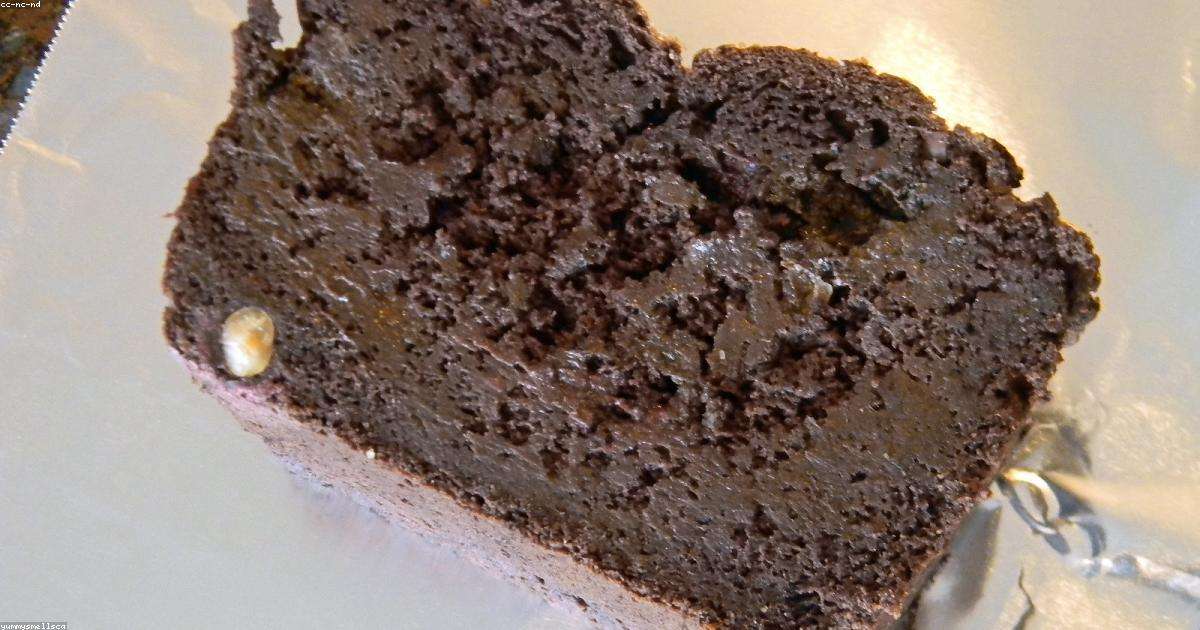
Your Guide to Homemade Chocolate Doughnuts

Craving the warm, rich taste of a homemade chocolate doughnut? Embarking on this delicious baking adventure at home offers unparalleled satisfaction, allowing you to customize every aspect from the dough to the decadent chocolate glaze. This guide will help you navigate the choices involved in creating your perfect batch of homemade chocolate treats.
Making homemade chocolate doughnuts is a rewarding experience, transforming simple ingredients into a delightful dessert. While specific recipes vary, the fundamental choices you make regarding dough type, chocolate intensity, and cooking method will shape your final delicious outcome. Consider whether you prefer a light, airy yeast doughnut or a denser, cake-like texture, and how deeply you want the rich chocolate flavor to permeate your creation.
Crafting Your Homemade Chocolate Doughnuts: Key Decisions
Before you even mix your first ingredient, understanding the different paths to a perfect homemade chocolate doughnut is crucial. Each choice influences texture, flavor, and overall experience.
Yeast-Risened vs. Cake Doughnuts
The first major decision lies in the type of doughnut dough. Yeast-risened doughnuts are typically light, airy, and chewy, characterized by their signature fluffy interior. They require proofing time, allowing the yeast to activate and the dough to develop flavor and rise. Cake doughnuts, on the other hand, are denser, often quicker to make as they use baking powder or soda for leavening, and have a more crumbly, cake-like texture.
Chocolate Intensity: Cocoa Powder or Melted Chocolate?
Achieving that desired chocolate flavor depends on your chosen ingredient. Incorporating unsweetened cocoa powder directly into the dough yields a deep, slightly bitter chocolate note, allowing you to control the sweetness later through glazes or toppings. For a richer, more indulgent taste and a smoother texture, some recipes call for melted chocolate (dark, semi-sweet, or milk) to be folded into the dough. You might also consider a combination for a complex flavor profile.
Baking vs. Frying: Method Matters
Traditionally, doughnuts are fried, resulting in a crispy exterior and a tender, moist interior. Frying requires careful temperature management to ensure even cooking without excessive oil absorption. For a lighter alternative, many homemade chocolate recipes adapt doughnuts for baking. Baked doughnuts often have a texture more akin to muffins or cakes but can still be wonderfully moist and flavorful, especially when topped with a generous glaze or frosting.
Key Takeaways for Your Doughnut Project
- **Dough Type:** Choose yeast for airy, chewy; cake for dense, quick.
- **Chocolate Source:** Cocoa for deep flavor; melted chocolate for rich indulgence.
- **Cooking Method:** Frying for classic texture; baking for a lighter option.
Essential Tips for Doughnut Success
No matter which options you choose for your homemade chocolate doughnuts, a few universal principles apply to ensure a delicious outcome.
Mastering Dough Consistency
For yeast doughnuts, the dough should be soft, pliable, and slightly sticky, but manageable. Avoid adding too much flour, as this can lead to dry, tough doughnuts. For cake doughnuts, overmixing can result in a tough texture, so mix just until the ingredients are combined. Proper dough consistency is key to both texture and absorption of chocolate flavor.
Temperature Control: Baking and Frying
When frying, maintaining a consistent oil temperature (typically around 350-375°F or 175-190°C) is paramount. Too cool, and doughnuts become greasy; too hot, and they burn outside before cooking inside. For baked doughnuts, preheating your oven correctly and not opening the door too frequently helps ensure even baking and proper rise. Consistent temperatures are vital for any kind of candy making at home and baking projects.
Practical Tip: The Perfect Glaze
Enhance your homemade chocolate doughnuts with a simple yet delicious glaze. Whisk together powdered sugar, a little milk or water, and a touch of vanilla extract. For a chocolate glaze, add unsweetened cocoa powder or melted chocolate to the mixture. Dip warm doughnuts for the best absorption and a smooth finish.
Choosing Your Perfect Doughnut Adventure
Consider your skill level, available time, and desired outcome when selecting your doughnut making approach.
For the Beginner Baker
If you’re new to doughnut making, starting with a baked cake doughnut recipe can be less intimidating. They often involve simpler mixing, no proofing, and baking is generally more forgiving than deep-frying. Focus on a good quality cocoa powder for your homemade chocolate flavor.
For the Experienced Enthusiast
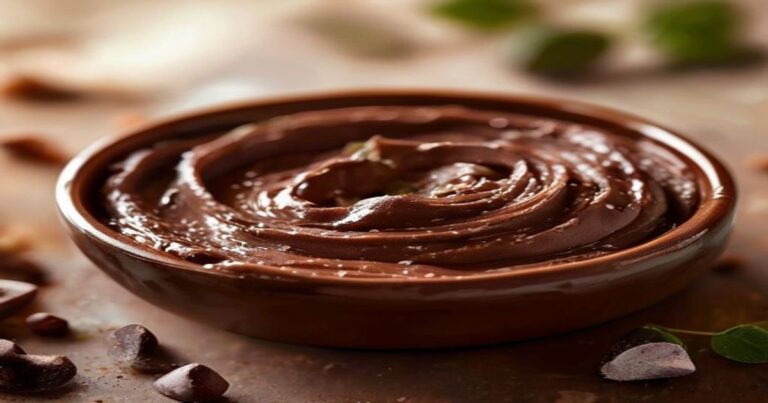
Experienced bakers might enjoy the challenge of a yeast-risen, fried chocolate doughnut. This method allows for a truly authentic texture and provides opportunities to experiment with various chocolate fillings or decadent glazes, perhaps even a rich chocolate spread recipe from scratch as a topping.
For a Healthier Indulgence
For those looking to enjoy chocolate doughnuts with fewer calories, baked versions are the way to go. You can also experiment with alternative flours (like whole wheat pastry flour) or natural sweeteners, keeping the chocolate content high for maximum flavor impact.
Common Questions About Homemade Chocolate Doughnuts
- What’s the best type of flour for homemade chocolate doughnuts?
- For yeast doughnuts, all-purpose flour is common, sometimes bread flour for more chew. For cake doughnuts, all-purpose flour or pastry flour works well for a tender crumb. Using a quality flour is key to a good texture.
- Can I make homemade chocolate doughnut dough ahead of time?
- Yes, many yeast doughnut doughs can be prepared the night before and refrigerated after the first rise. This allows for an easier process on baking day. Cake doughnut batters are usually best made and cooked immediately.
- How do I store homemade chocolate doughnuts?
- Homemade doughnuts are best enjoyed fresh, ideally on the day they are made. If you have leftovers, store them in an airtight container at room temperature for up to 2-3 days. Reheating briefly in a microwave can help restore some freshness.
- What are good toppings for homemade chocolate doughnuts?
- Beyond a simple chocolate or vanilla glaze, consider sprinkles, chopped nuts, toasted coconut, a drizzle of caramel, or a dusting of powdered sugar. A dollop of whipped cream or even a scoop of ice cream can elevate a warm doughnut.
Ready to Bake Your Own Homemade Chocolate Doughnuts?
We hope this guide inspires you to create delicious chocolate doughnuts in your kitchen. Experiment with different textures and chocolate intensities to find your perfect match. Happy baking!