Classic Roasted Tomatillo Salsa Verde Recipe

Understanding the Tomatillo
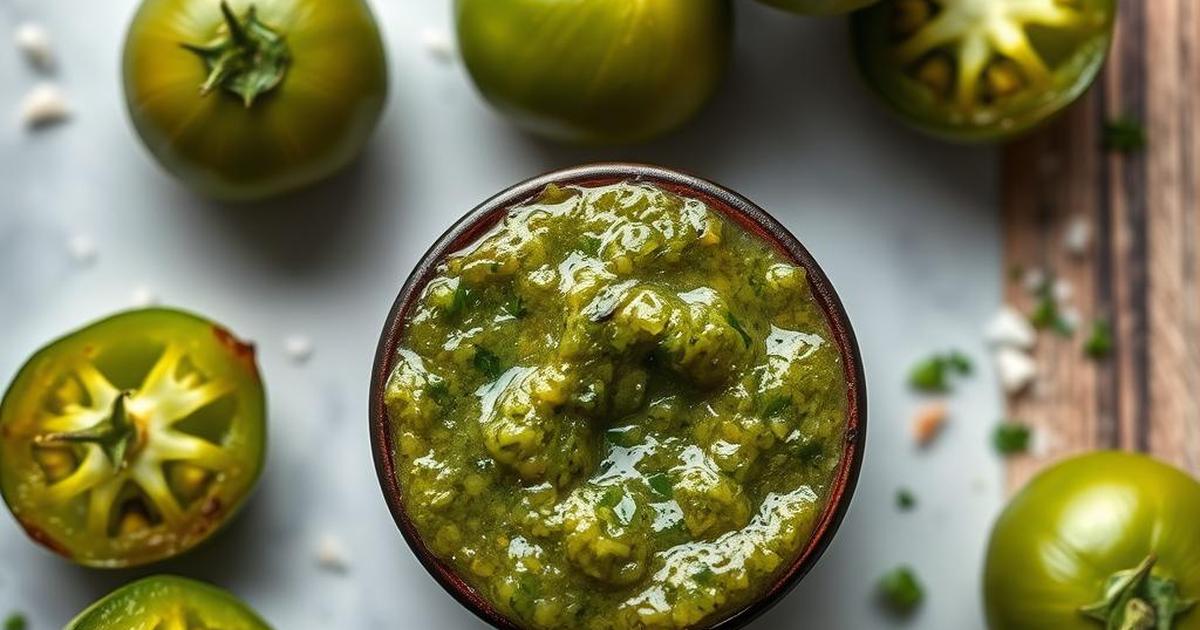
The tomatillo, often referred to as the Mexican husk tomato, is a cornerstone of Latin American culinary traditions. Unlike standard tomatoes, tomatillos grow inside a papery, dry husk and possess a firm, bright green flesh with a tart, acidic flavor profile. When searching for reliable tomatillo recipes, it is essential to understand that their texture softens significantly when cooked, making them ideal for blended sauces, braises, and fresh salsas.
Selecting the right fruit is the first step toward success. Look for firm, bright green fruit that fills the husk completely. If the husk has started to dry and split, that is perfectly normal. Avoid fruit that is soft, discolored, or shows signs of decay. Before preparing any dish, always remove the husks and rinse the fruit thoroughly under warm water to remove the naturally sticky residue found on the skin.
- Tomatillos are not green tomatoes; they belong to the nightshade family and require removing the husk and rinsing before cooking.
- Roasting tomatillos helps mellow their natural acidity and enhances their inherent sweetness.
- The consistency of your sauce can be adjusted by the amount of liquid added or the length of time you simmer the mixture.
Recipe Snapshot
- Yield: Approximately 2 cups
- Prep Time: 10 minutes
- Cook Time: 15 minutes
- Total Time: 25 minutes
Ingredients
- 1 pound fresh tomatillos, husks removed and rinsed
- 2 serrano or jalapeño peppers, stems removed
- 1/2 white onion, roughly chopped
- 2 cloves garlic, peeled
- 1/2 cup fresh cilantro, packed
- 1 tablespoon fresh lime juice
- 1/2 teaspoon kosher salt (adjust to taste)
Step-by-Step Instructions
- Preheat your oven’s broiler. Place the husked and rinsed tomatillos, peppers, onion wedges, and garlic cloves on a rimmed baking sheet.
- Broil the vegetables for 5 to 8 minutes, turning occasionally, until the tomatillos are charred in spots and softened. Ensure the garlic does not burn, as it can turn bitter.
- Transfer the roasted vegetables and all accumulated juices from the baking sheet into a blender or food processor.
- Add the fresh cilantro, lime juice, and salt. Pulse the mixture until you reach your desired consistency. For a rustic texture, use short pulses; for a smoother salsa, blend for 30 seconds.
- Taste the salsa and adjust the seasoning. If the mixture is too acidic, you may add a pinch of sugar or extra salt to balance the flavor.
- Allow the salsa to cool to room temperature before serving, or chill in the refrigerator for at least one hour to allow the flavors to meld.
Variations and Storage
While this recipe focuses on a classic verde base, tomatillo recipes are incredibly versatile. You can incorporate roasted poblano peppers for a deeper, smokier flavor, or add a ripe avocado during the blending process for a creamier, richer mouthfeel. For those interested in expanding their culinary repertoire, you can explore other techniques similar to those used in essential summer salad recipes to create lighter, raw versions of this salsa.
Storage is straightforward: keep your prepared salsa in an airtight glass container in the refrigerator. It will maintain its best quality for up to five days. If you need to store it longer, it freezes well for up to three months, though the texture may become slightly more watery upon thawing. Always stir the salsa well after thawing to reincorporate the ingredients.
Culinary Context
Tomatillos have been cultivated since the pre-Columbian era. According to the USDA National Agricultural Library, these fruits are a reliable source of vitamins and minerals, contributing to a balanced diet when incorporated into savory dishes. Unlike some complex cooking processes, such as the precision required in classic homemade cookie recipes, working with tomatillos is forgiving and allows for significant creative improvisation regarding spice levels and aromatics.
FAQs
Can I use canned tomatillos for these recipes?
Yes, canned tomatillos are a suitable alternative when fresh fruit is out of season. Ensure you drain them thoroughly before use, as they are packed in an acidic brine that can alter the flavor of your dish.
Why is my salsa bitter?
Bitterness often stems from over-roasting the garlic or leaving the stems on the peppers. If your salsa turns out bitter, a small pinch of sugar or a splash of agave nectar can help counteract the harsh notes.
Can I eat tomatillos raw?
While tomatillos can be eaten raw, they are quite tart and acidic. Cooking them, especially roasting or boiling, mellows the flavor and makes them much more palatable for most culinary applications.
Bring the Flavors Home
Ready to master more techniques in your own kitchen? Whether you are perfecting a tangy salsa or experimenting with new flavor combinations, there is always room to grow as a home cook. Keep exploring our archives for more inspiration and culinary guides to elevate your daily meals.