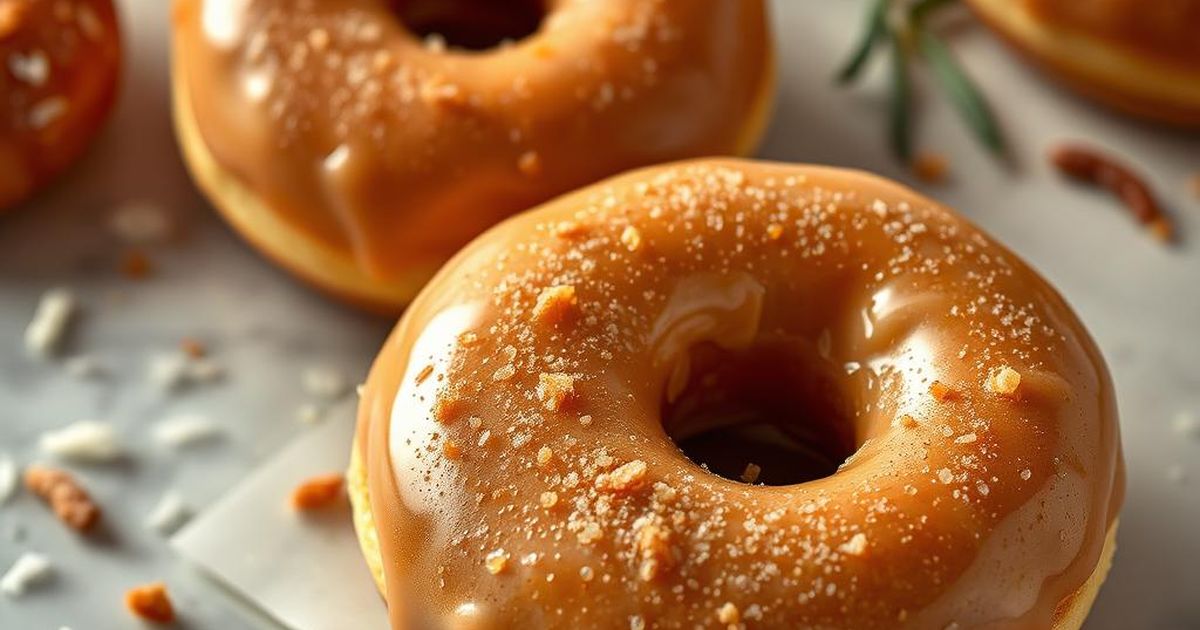
A Reliable Homemade Donuts Recipe Easy to Master

Key Takeaways: Achieving the perfect texture requires patience during the proofing process. Always maintain a steady oil temperature between 350°F and 365°F to ensure the interior cooks fully without the exterior burning.
The Art of the Homemade Donut
Achieving a light, pillowy donut at home is a rewarding culinary project that requires minimal equipment. A donuts recipe easy enough for beginners relies on a classic yeast-leavened dough, which provides the quintessential airy structure that baking powder alternatives often lack. By mastering a few fundamental techniques—specifically dough handling and oil temperature control—you can replicate the quality of a professional bakery in your own kitchen.
This method focuses on a versatile, brioche-style dough that balances sweetness with a tender crumb. Whether you prefer to finish them with a simple sugar glaze or experiment with rich toppings like those found in chocolate spread recipes from scratch, this foundation is designed to adapt to your favorite flavors.
Recipe Snapshot
- Yield: Approximately 12 to 14 donuts
- Prep time: 30 minutes (plus 90 minutes rising time)
- Cook time: 15 minutes
- Total time: 2 hours 15 minutes
Ingredients
- 1 cup whole milk, warmed to 110°F
- 1 packet (2 1/4 tsp) active dry yeast
- 1/3 cup granulated sugar
- 2 1/2 cups all-purpose flour
- 1/2 teaspoon salt
- 1 large egg, room temperature
- 3 tablespoons unsalted butter, softened
- Vegetable or canola oil for frying
Step-by-Step Instructions
- In a small bowl, whisk the warm milk, yeast, and one tablespoon of the sugar. Let it sit for 5 to 10 minutes until the mixture becomes foamy.
- In a large mixing bowl, combine the flour, remaining sugar, and salt. Add the yeast mixture, egg, and softened butter.
- Mix until a sticky dough forms. Knead on a floured surface for 8 minutes until smooth and elastic.
- Place the dough in a greased bowl, cover with a warm cloth, and allow to rise in a draft-free spot for 60 to 90 minutes, or until doubled in size.
- Punch the dough down and roll it out to 1/2 inch thickness on a floured surface. Cut using a donut cutter or two circular biscuit cutters of different sizes.
- Cover the cut shapes and let them rest for another 20 minutes.
- Heat 2 inches of oil in a heavy-bottomed pot to 350°F. Carefully drop the donuts into the oil, frying for about 60 to 90 seconds per side until golden brown.
- Remove with a slotted spoon and drain on a wire rack or paper towels before glazing.
Practical Tip: Use a digital thermometer to monitor your oil temperature. If the oil is too cold, the donuts will absorb excess grease and become heavy; if it is too hot, the outside will darken before the center is cooked through.
Variations and Substitutions
While the classic yeast donut is a standard, you can introduce subtle variations based on preference. For a richer flavor, consider substituting half the milk with heavy cream. If you are looking for texture modifications, a light dusting of cinnamon sugar can provide a crunch that contrasts beautifully with the soft interior.
Those interested in exploring more complex dessert techniques might find that the quality of your dough is the most important factor in how well the finished product holds fillings or thick glazes. For guidance on achieving the best kitchen standards, consult the culinary insights provided by national food experts regarding dough fermentation and frying chemistry.
Storage and Make-Ahead Advice
Donuts are best consumed within four hours of frying. However, if you must store them, keep them in an airtight container at room temperature. To restore their texture, you can briefly warm them in an oven at 300°F for 3-5 minutes. We do not recommend freezing the finished, fried donuts, as the texture of the glaze and the crumb degrades upon thawing. You may, however, freeze the shaped, unproofed dough if you wish to prepare it in advance.
Serving Suggestions
Elevate your donuts by pairing them with a variety of toppings. A simple vanilla glaze made from powdered sugar and milk is the traditional choice, but you can also dip them in melted chocolate or pair them with homemade chocolate recipes for a decadent treat. Serving these alongside a strong black coffee or cold milk creates a balanced breakfast or dessert experience.
FAQs
Can I bake these instead of frying?
While you can bake yeast-leavened dough, the resulting texture will be more similar to a bread roll than a traditional fried donut. Baking lacks the rapid Maillard reaction that gives fried donuts their characteristic crispy exterior and unique flavor profile.
How do I know if the yeast is active?
If your yeast-milk mixture does not develop a layer of foam or bubbles after 10 minutes, the yeast may be dead. It is best to discard the mixture and start over with fresh yeast, as a faulty proof will result in dense, flat donuts.
What is the best oil for frying?
Use an oil with a high smoke point and neutral flavor, such as canola, vegetable, or peanut oil. Avoid oils with strong flavors like extra virgin olive oil, which will impart an unwanted taste to the dough.
If you enjoyed mastering this technique, stay tuned for more baking tutorials and culinary guides. Join our community of home bakers by keeping an eye on our latest updates and expanding your repertoire of classic scratch-made desserts.