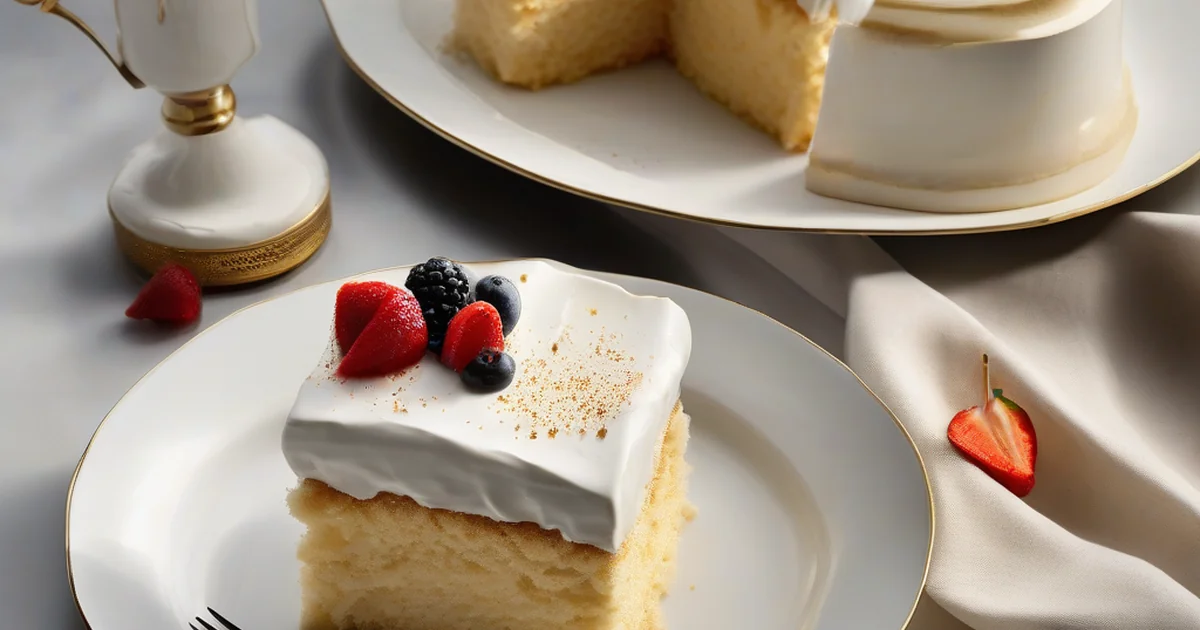
The Ultimate Tres Leches Cake: A Culinary Deep Dive

Understanding the Tres Leches Cake
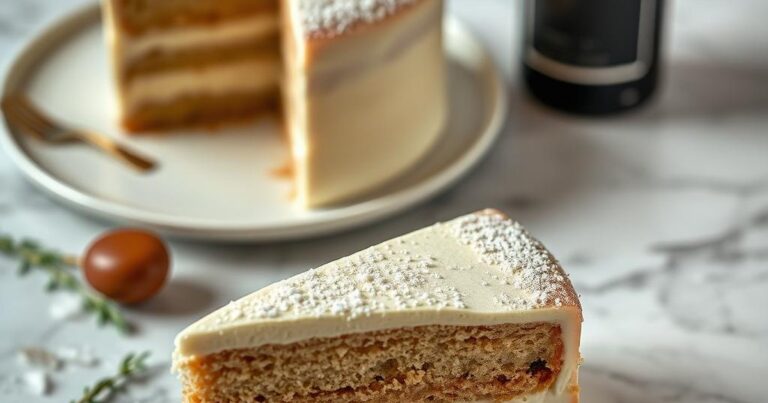
Direct Answer: The tres leches cake is a sponge or butter cake soaked in a mixture of three milks: evaporated milk, condensed milk, and heavy cream. Originating in Latin America, it is prized for its signature moist, decadent texture achieved through the careful absorption of these dairy components into a light, airy crumb.
Jump to Recipe 🍳The tres leches cake has transcended its regional roots to become a global sensation. At its core, the dish relies on the science of absorption. Unlike traditional cakes that prioritize structural integrity to hold frosting, this cake is designed to be drenched, requiring a sturdy yet porous crumb that doesn’t collapse under the weight of the liquid mixture. For a deeper look at the chemistry of baking, explore Understanding the Evolution and Science of Cake.Trend Analysis and Regional Context
The recent acceleration of this dessert’s popularity can be attributed to a shift in consumer preference toward textures that offer high-moisture content. While popular in North America and parts of Europe, the preparation style remains rooted in Latin American heritage. In the United States, bakeries often integrate heavy whipping cream toppings to balance the dense sweetness of the milks, whereas in other regions, variations might include a lighter meringue finish.Social media platforms have played a significant role in this revival, as the visual appeal of “the soak”—the process where the milk mixture is poured over the cake—creates highly engaging content. Looking forward, the next 30 to 90 days will likely see an increase in fusion variations, incorporating regional flavors like dulce de leche or spiced infusions.| Milk Type | Functional Role | Sweetness Level |
|---|---|---|
| Evaporated Milk | Richness and density | Low |
| Condensed Milk | Texture and binding | High |
| Heavy Cream | Mouthfeel and lightness | Neutral |
📌 Loved this recipe? Save & Follow on Pinterest for daily viral food trends!
Mastering the Preparation
Success with this dessert lies in temperature control and patience. A common mistake is rushing the soaking process. The cake must be allowed to cool completely before the liquid is added to ensure optimal absorption. For those looking for further dessert inspiration, consider reviewing Creative Cake Flavor Ideas for Every Occasion. According to the historical accounts documented by NPR, this cake exemplifies the balance of simple ingredients transformed through technique.Classic Tres Leches Cake
- Preheat oven to 350°F (175°C) and grease a 9×13 inch pan.
- Sift flour and baking powder together; set aside.
- Cream butter and sugar until fluffy, add eggs and vanilla.
- Combine dry ingredients with the butter mixture. Bake for 30 minutes.
- Once cool, poke holes across the cake with a fork.
- Whisk the three milks together and pour slowly over the cake.
- Refrigerate for at least 4 hours before serving.
FAQs
Can I substitute the heavy cream?
While heavy cream provides the necessary richness, some bakers use half-and-half as a lighter alternative, though it will change the final texture of the soak.
How long does the cake keep?
Due to the dairy content, this cake should be stored in an airtight container in the refrigerator and consumed within three days.
Why is my cake soggy instead of moist?
A soggy cake often results from over-soaking or using an improperly baked sponge. Ensure your cake is fully cooked and cooled before adding the liquid.