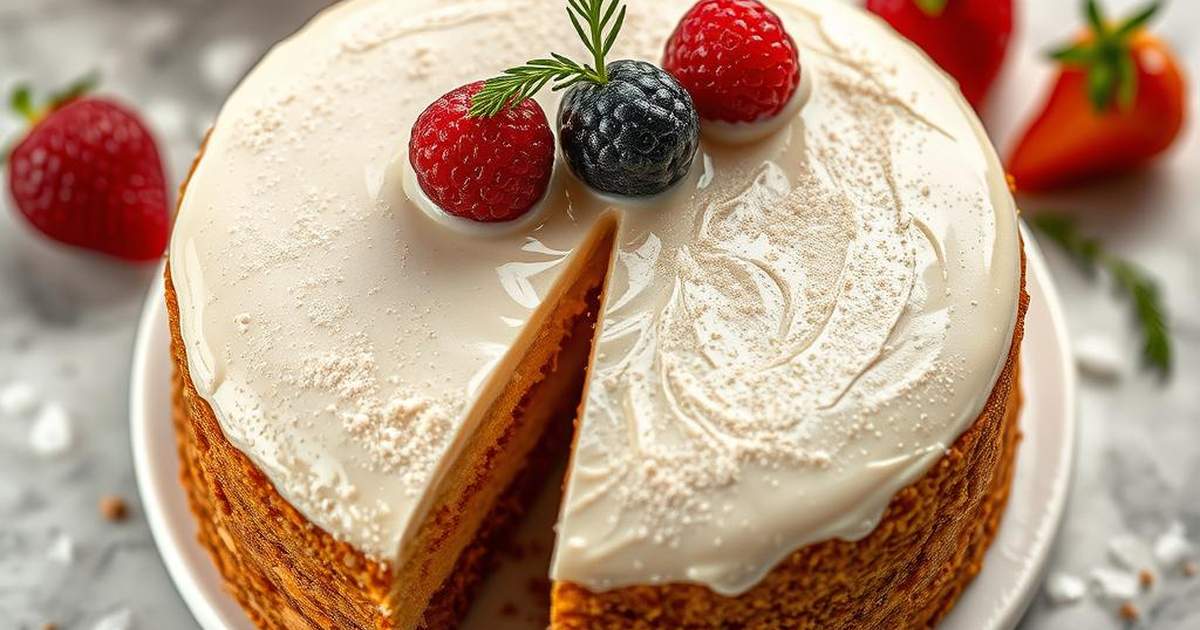
Creative Cake Flavor Ideas for Every Occasion

Understanding the Evolution of Dessert Profiles
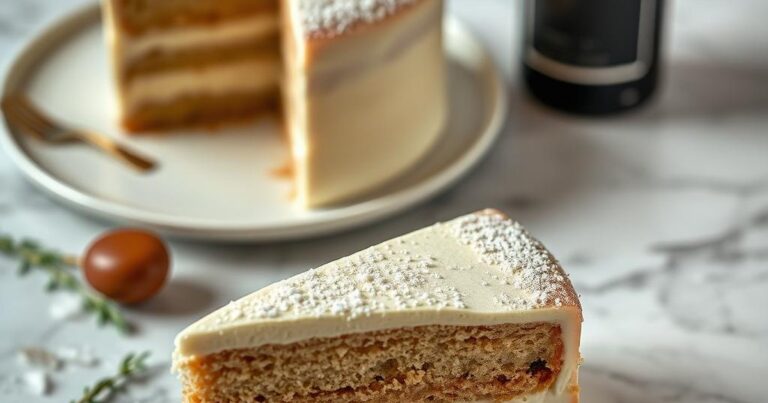
Modern baking has moved beyond simple vanilla and chocolate toward a more sophisticated landscape of sensory experiences. Selecting the right combination involves understanding how base cakes, fillings, and structural integrity interact to create a cohesive result.
The core objective of exploring new cake flavor ideas is to find a balance between sweetness, acidity, texture, and aromatic depth. Historically, cakes relied heavily on sugar for flavor; however, contemporary techniques now leverage high-quality fats, botanical infusions, and contrasting acid profiles to create more complex, memorable results. For more guidance on choosing the right cake for a celebration, you can read our Selecting the Perfect Birthday Cake: A Consumer Guide to ensure your choice fits the event.
- Balance is essential: pair dense, rich cakes with bright, acidic fruit fillings.
- Flavor extraction: use high-quality extracts and natural infusions for superior results.
- Texture counts: layer crunchy elements like praline or toasted nuts with soft sponges.
Practical Steps for Designing Your Flavor Palette
To develop a professional-grade dessert, you must approach the process methodically. Start with the “Foundation-Flavor-Finish” framework. The foundation is the sponge, the flavor is the primary profile (e.g., fruit, nut, spice), and the finish is the textural or aromatic accent.
Step 1: Establishing the Base
Choose a base that supports your intended flavor profile. A butter-based sponge provides a rich, velvety texture that pairs perfectly with bright, zesty curd fillings. Conversely, an oil-based sponge, such as a chiffon or devil’s food, remains moist for longer and is ideal for layered cakes with heavier ganache.
Step 2: Layering Flavor Profiles
Avoid one-dimensional profiles. If you are working with chocolate, consider incorporating a salt element or a berry reduction to cut through the richness. According to the Culinary Institute of America, professional pastry chefs often utilize the “Rule of Three”—a primary flavor, a secondary supporting flavor, and a textural contrast.
Step 3: Texture and Aromatic Infusions
Don’t stop at the cake batter. Infuse your simple syrups or Swiss meringue buttercreams with fresh herbs like basil, rosemary, or lavender to provide a sophisticated edge. Ensure these infusions are subtle; the goal is an aromatic hint rather than a medicinal intensity.
When working with delicate flavors like rose or elderflower, always add them at the final stage of mixing your frosting. High heat during the baking process can cause subtle floral compounds to evaporate or turn bitter.
Common Mistakes and Technical Fixes
One of the most frequent errors in cake design is overloading the profile, which causes flavor fatigue. A cake that features strawberry, vanilla, chocolate, hazelnut, and caramel simultaneously often results in a muddled palate.
Over-sweetening: If your flavor profiles are too sweet, you lose the distinct characteristics of the ingredients. Use a high-quality sea salt or a citrus acid (such as lemon juice or cream of tartar) to “brighten” the profile. This does not make the cake salty or sour; it simply forces the taste buds to recognize the primary flavors more sharply.
Texture Mismatch: A common failure is pairing a delicate sponge with a very heavy, dense filling. Ensure that the viscosity of your fillings, such as curds, compotes, or mousses, is compatible with the structural strength of your sponge. If a filling is too loose, your cake will lose its form.
Advanced Combinations to Try
Once you master the basics, try elevating your repertoire with these pairings:
- Earl Grey and Lavender: A classic tea-based infusion that works beautifully in a sponge with a honey buttercream.
- Cardamom and Pistachio: The earthy notes of pistachio are perfectly complemented by the floral, spicy depth of green cardamom.
- Espresso and Dark Cocoa: Use high-quality, high-percentage cocoa powder and fold in finely ground espresso for a mature, robust profile.
If you are looking for more culinary inspiration for your next event, consider how these flavor profiles might complement other parts of your menu, such as those found in our guide to Mastering Dinner Ideas: A Practical Guide to Weeknight Success.
Conclusion
Mastering the art of choosing the right ingredients is a lifelong culinary journey. By focusing on the structural interaction of your cake, the balance of sweetness and acidity, and the thoughtful use of aromatic infusions, you can elevate your baking from standard to professional. Experimentation should always be guided by the principle of harmony—if the flavors work together to create a singular experience, you have succeeded.
FAQs
How do I know if two flavors will work well together?
Consult a flavor wheel or focus on bridge ingredients. Ingredients that share similar chemical compounds, such as stone fruits and toasted almonds, almost always pair well. When in doubt, start with a pairing that is already proven, such as citrus and white chocolate, and add a single “wildcard” element.
Can I substitute extracts with fresh ingredients?
Yes, but you must account for the water content. If you are replacing vanilla extract with vanilla bean paste, the ratio is generally 1:1. However, if you are using fresh fruit juice instead of an extract, you may need to reduce the amount of liquid elsewhere in the recipe to maintain the structural integrity of the sponge.
Why does my cake lose flavor after being refrigerated?
Cold temperature numbs the tongue’s ability to detect sweetness and aromatics. Always bring your cake to room temperature (approximately 68 degrees Fahrenheit) for at least one hour before serving to allow the fat-based components, like buttercreams, to soften and release their full aroma.