Classic Genovese Pesto: A Definitive Basil Recipe

The Art of Traditional Basil Pesto
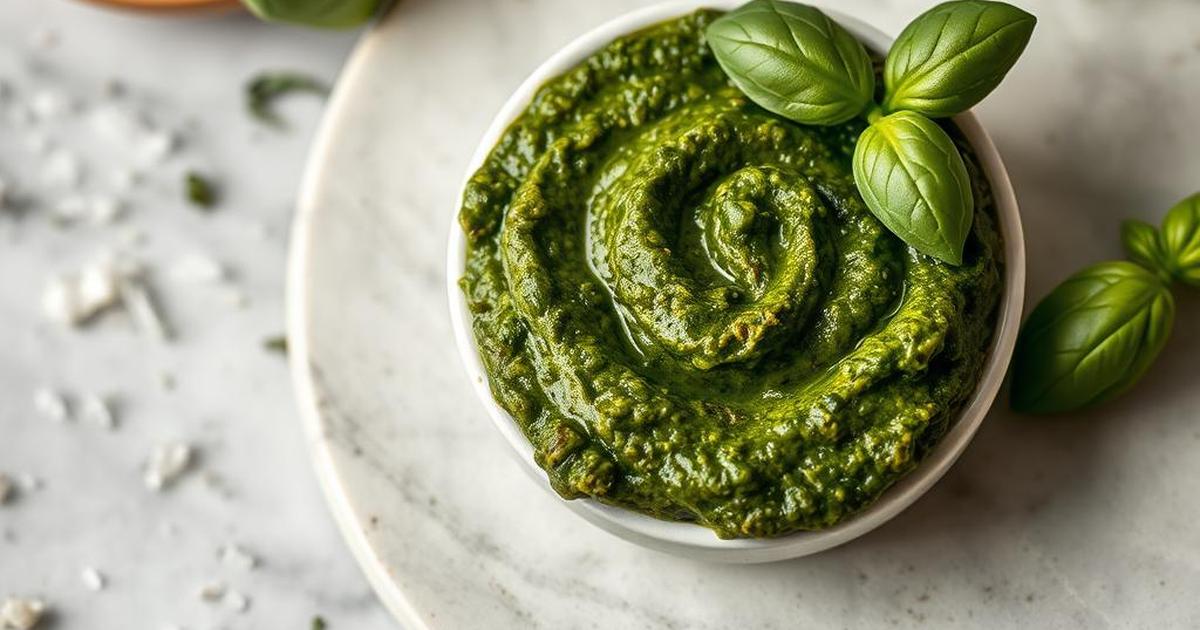
Authentic pesto alla Genovese is more than a simple condiment; it is a celebration of fresh, high-quality ingredients harmonized through mechanical emulsification. While many basil recipes rely on quick blender shortcuts, the traditional preparation uses a mortar and pestle to gently release the essential oils of the basil without oxidation. This guide focuses on the classic technique, ensuring a vibrant green color and a complex, aromatic flavor profile that elevates pasta, grilled vegetables, or even savory chicken wraps.
- Basil quality is paramount; choose young, small-leaf Genovese basil for the best flavor.
- Temperature control prevents the herb from turning bitter or dark.
- The order of ingredient addition is critical for achieving a stable, creamy emulsion.
Recipe Snapshot
- Yield: Approximately 1 cup of pesto
- Prep time: 15 minutes
- Cook time: 0 minutes
- Total time: 15 minutes
Ingredients
- 2 cups tightly packed fresh Genovese basil leaves, cleaned and dried
- 1/3 cup high-quality extra virgin olive oil
- 1/4 cup pine nuts (lightly toasted)
- 2 cloves fresh garlic, peeled
- 1/2 cup freshly grated Parmigiano-Reggiano or Pecorino Sardo cheese
- 1/2 teaspoon coarse sea salt
Step-by-Step Instructions
- Prepare the garlic and salt: Place the garlic cloves and sea salt in a marble mortar. Use the pestle to crush them against the sides until they form a smooth, uniform paste.
- Add the pine nuts: Incorporate the toasted pine nuts into the mortar. Grind them into the garlic paste until the mixture is creamy and well-integrated.
- Incorporate the basil: Add the basil leaves in small batches. Use a gentle circular motion with the pestle to crush the leaves against the mortar walls. Do not pound the basil aggressively, as this can bruise the leaves and cause oxidation.
- Introduce the oil: Slowly drizzle the extra virgin olive oil into the mortar while continuing to stir. This emulsification process creates the signature smooth texture.
- Finish with cheese: Once the desired consistency is reached, stir in the grated cheese using a spatula. Adjust salt if necessary, keeping in mind the natural salinity of the cheese.
Tips, Substitutions, and Variations
Traditional Genovese basil recipes specifically call for young leaves, as larger leaves can contain higher levels of minty or bitter notes. If you cannot find Genovese basil, look for any small-leaf sweet basil variety. While pine nuts provide the traditional buttery foundation, some regional variations substitute toasted walnuts or almonds, which offer a slightly earthier profile. Always use a high-quality, cold-pressed extra virgin olive oil; the quality of the oil is the primary carrier of the basil flavor.
Storage and Make-Ahead Guidance
Fresh pesto is best consumed immediately, but it can be stored for up to three days in the refrigerator. To prevent the surface from darkening, cover the top of the pesto with a thin layer of olive oil or press a piece of plastic wrap directly onto the surface to exclude oxygen. For longer storage, pesto freezes exceptionally well. Portion the sauce into ice cube trays, freeze until solid, and then transfer the cubes to a freezer-safe bag. According to the USDA National Agricultural Library, maintaining proper hygiene during the preparation of herb-based sauces is essential for food safety.
Serving Suggestions
Beyond the classic pairing with trofie or trenette pasta, pesto is an excellent addition to pasta salad recipes, providing a vibrant freshness that balances heavier ingredients. It can also be thinned with a little extra oil and lemon juice to create a dressing for summer salads or used as a marinade for white fish.
FAQs
Can I make pesto without cheese?
Yes, you can create a vegan version by omitting the dairy cheese and using nutritional yeast or extra pine nuts to achieve the desired richness and texture.
Why does my pesto turn brown?
Browning occurs due to oxidation. This can be caused by heat generated during the blending process or by leaving the prepared sauce exposed to air for too long before serving.
Are the stems of the basil usable?
For the best texture, use only the leaves. The stems can be fibrous and woody, which detracts from the smooth consistency of an authentic pesto.
Join Our Culinary Community
If you enjoyed mastering this technique, explore our collection of other artisanal sauces and kitchen staples. Sign up for our newsletter to receive more expert-led guidance on seasonal cooking and traditional preparation methods that bring depth to every meal you create.
{ “recipe_name”: “Classic Genovese Pesto”, “recipe_description”: “A traditional, mortar-and-pestle method for creating vibrant, authentic Genovese pesto using fresh basil, pine nuts, and aged cheese.”, “recipe_yield”: “1 cup”, “prep_time_minutes”: 15, “cook_time_minutes”: 0, “total_time_minutes”: 15, “ingredients”: “2 cups fresh Genovese basil leaves\n1/3 cup extra virgin olive oil\n1/4 cup toasted pine nuts\n2 cloves garlic\n1/2 cup grated Parmigiano-Reggiano\n1/2 tsp sea salt”, “instructions”: “Crush garlic and salt into a paste.\nAdd pine nuts and grind until creamy.\nAdd basil in batches and crush gently.\nDrizzle in olive oil while stirring.\nFold in grated cheese.”, “recipe_image”: “”, “nutrition_calories”: “N/A”, “video_url”: “”, “author_name”: “El Mordjene Expert Kitchen”, “recipe_keywords”: “basil, pesto, authentic, italian”, “recipecuisine”: “Italian”, “recipecategory”: “Recipes”, “video_upload_date”: “” }