The Art of Cherry Desserts: A Culinary Guide

Understanding Cherry Varieties for Baking
Cherry desserts are defined by the intricate balance between the fruit’s natural acidity and the sweetness of the pastry. Whether you are working with Bing, Rainier, or tart Montmorency cherries, selecting the right variety is the most critical step in ensuring your final dish has the correct texture and flavor profile. Using the wrong variety often leads to excess liquid in crusts or an overly sweet outcome that lacks the signature punch of a fresh cherry.
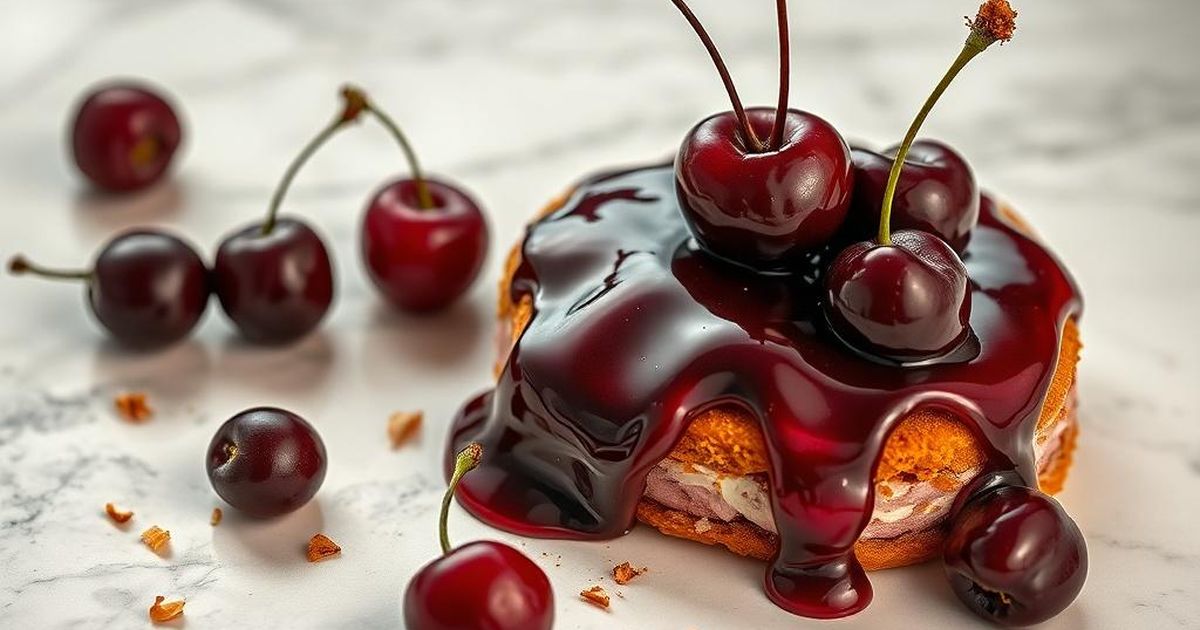
Sweet cherries, such as the dark, firm Bing, are best suited for fresh preparations or simple compotes where their integrity can be maintained. Conversely, tart cherries are the gold standard for pies and baked goods, as their higher acidity stands up well to sugar and provides a complex, balanced depth that prevents the dessert from becoming cloying.
Key Takeaways
- Choose tart cherries (often sold frozen or canned) for baked pies to ensure a firmer set.
- Use sweet cherries for fresh toppings, galettes, or quick reductions.
- Always pit cherries before cooking to ensure safety and improve texture.
- The high moisture content of fresh cherries often requires a thickening agent like cornstarch or tapioca.
Myth vs. Fact: Decoding Common Culinary Beliefs
The world of pastry is rife with anecdotal advice that does not always hold up to testing. Below, we address some common misconceptions regarding the preparation of fruit-based sweets.
Myth: Any cherry can be used interchangeably in recipes.
Fact: This is incorrect. Sweet cherries contain less pectin and acid than sour varieties. If you substitute fresh sweet cherries for sour ones in a pie recipe without adjusting the acidity (such as adding a squeeze of lemon juice) or the starch, the filling will likely be watery and lack flavor depth.
Myth: Frozen cherries must be thawed before baking.
Fact: For many baked goods, such as crumbles or pies, it is often better to use frozen cherries directly from the freezer. Thawing them releases excess juices that can make pastry dough soggy. Adding a bit more thickener when using frozen fruit is a standard professional practice.
Essential Preparation Steps
The path to a successful dessert begins with proper preparation. Regardless of the recipe, efficient pitting is essential. Mechanical cherry pitters save significant time, but in their absence, a small paring knife or a sturdy paperclip can be used to remove the stone with minimal damage to the fruit. If you are interested in exploring other seasonal preparations, consider reading this Guide to Refreshing Summer Desserts to diversify your repertoire.
Managing Liquid Content
The biggest challenge in working with these stone fruits is moisture control. According to guidelines from culinary and food safety authorities, proper fruit storage and preparation are vital. When roasting or baking, consider macerating your cherries in sugar for thirty minutes before use. This draws out excess liquid, which you can then reduce into a syrup to intensify the flavor before returning it to the fruit.
Action Plan for Better Baking
Follow these steps to improve your results next time you find yourself in the kitchen:
- Assess your fruit: Are they firm and dark, or soft and bright? Choose your recipe accordingly.
- Prepare the thickener: Always mix your starch (cornstarch or arrowroot) with a small amount of cold sugar before adding it to the fruit to prevent clumping.
- Temperature control: When making pastries with cherries, keep your butter and dough as cold as possible to ensure a flaky crust that contrasts with the soft fruit filling.
- Resting: Always allow your baked fruit desserts to cool completely before slicing to ensure the juices have stabilized.
Substitutions and Variations
If you lack access to fresh cherries, high-quality frozen versions are a reliable year-round alternative. While jarred maraschino cherries are often used for decoration, they contain high sugar levels and artificial colors, making them unsuitable for baking unless specified by a recipe. For a deeper flavor profile, consider adding a dash of almond extract or a pinch of sea salt, both of which are classic pairings that highlight the natural profile of the stone fruit.
FAQs
Can I use a blender to create a cherry filling?
While you can process fruit into a puree for sauces, blending cherries for a pie or cobbler will result in a loss of texture. It is generally recommended to keep the fruit halved or whole for the best mouthfeel.
What is the best way to store fresh cherries?
Cherries should be stored unwashed in the coldest part of the refrigerator. Only wash them immediately before use to prevent premature spoilage caused by excess moisture.
Do I need to peel cherries?
No, the skin of the cherry is thin and adds necessary structure to the fruit during the heating process. Peeling them is unnecessary and would result in the fruit collapsing.
Ready to elevate your home kitchen skills? Explore more of our expert techniques and recipes for seasonal produce by browsing our full culinary library to find the perfect pairing for your next dessert project.
{ “recipe_name”: “Simple Cherry Compote”, “recipe_description”: “A versatile cherry compote perfect for topping yogurt, cakes, or pairing with pastry crusts.”, “recipe_yield”: “2 cups”, “prep_time_minutes”: 10, “cook_time_minutes”: 15, “total_time_minutes”: 25, “ingredients”: “2 cups pitted cherries (fresh or frozen)\n1/4 cup granulated sugar\n1 tablespoon lemon juice\n1 teaspoon cornstarch mixed with 1 tablespoon water”, “instructions”: “Place the cherries, sugar, and lemon juice in a small saucepan over medium heat.\nCook for about 10 minutes until the cherries release their juices and begin to soften.\nStir in the cornstarch slurry and continue to cook for another 2-3 minutes until the mixture thickens.\nRemove from heat and let cool completely before serving.”, “recipe_image”: “”, “nutrition_calories”: “”, “video_url”: “”, “author_name”: “El-Mordjene Expert Team”, “recipe_keywords”: “cherry, compote, dessert topping, fruit”, “recipecuisine”: “French-inspired”, “recipecategory”: “Recipes”, “video_upload_date”: “” }