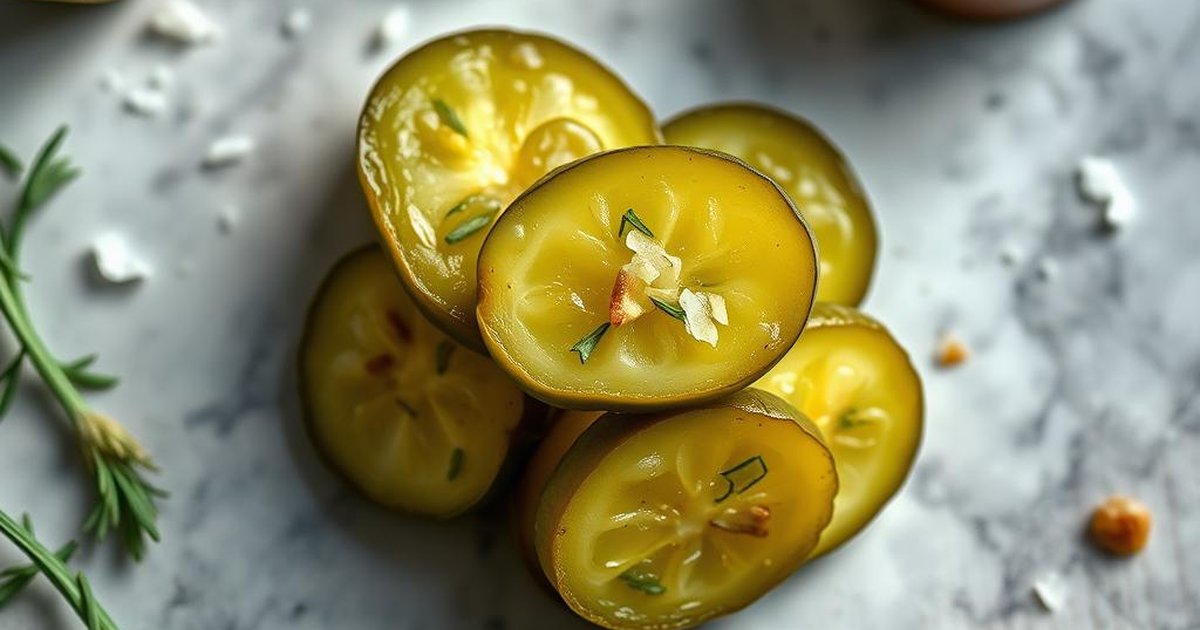
Classic Homemade Dill Pickle Recipe

The Art of the Perfect Pickle
Achieving the perfect, crunchy pickle at home is a rewarding culinary project that relies on the quality of your produce and the balance of your brine. This dill pickle recipe focuses on the traditional refrigerator method, which prioritizes a crisp texture and vibrant flavor without the need for complex water-bath canning equipment.
Key Takeaways
- Choose firm, small pickling cucumbers for the best structural integrity.
- Use pickling salt instead of table salt to keep the brine clear and avoid additives.
- The refrigerator method ensures a crunch that lasts for weeks in your chilled storage.
Recipe Snapshot
- Yield: 2 quart-sized jars
- Prep time: 20 minutes
- Wait time: 48 hours to 1 week
- Total time: Approximately 3 to 7 days for peak flavor
Ingredients
- 2 lbs fresh pickling cucumbers (Kirby or similar small, bumpy varieties)
- 4 cups filtered water
- 3 tablespoons pickling salt (non-iodized)
- 1 cup distilled white vinegar (5% acidity)
- 4 sprigs fresh dill
- 4 cloves garlic, peeled and lightly smashed
- 1 teaspoon black peppercorns
- 1 teaspoon mustard seeds
- 2 whole bay leaves
Step-by-Step Preparation
- Prep the cucumbers: Wash the cucumbers thoroughly under cold water, scrubbing gently to remove any dirt from the bumps. Trim about 1/16th of an inch off the blossom end of each cucumber; the enzymes in the blossom end can lead to softened pickles if left intact.
- Prepare the jars: Ensure your glass jars are clean and sanitized. Place 2 sprigs of dill, 2 garlic cloves, 1/2 teaspoon of peppercorns, 1/2 teaspoon of mustard seeds, and 1 bay leaf into each jar.
- Pack the jars: Arrange the cucumbers tightly in the jars, standing them upright or packing them snugly horizontally, leaving about an inch of space at the top.
- Create the brine: In a medium saucepan, combine the water, white vinegar, and pickling salt. Bring to a gentle boil over medium-high heat, stirring until the salt is completely dissolved.
- Combine: Pour the hot brine over the cucumbers, ensuring they are fully submerged and leaving 1/2 inch of headspace at the top of the jar.
- Seal and store: Seal the jars tightly with lids. Allow them to cool at room temperature for one hour, then place them directly into the refrigerator.
Pro Tip: The Crunch Factor
To maximize the crispness of your pickles, consider soaking your cucumbers in an ice-water bath for one hour before processing. This helps hydrate the fruit and firms up the cell walls before they meet the warm brine.
Variations and Adjustments
While the classic profile relies on garlic and dill, many home cooks enjoy customizing their brine. You can add a pinch of red pepper flakes if you prefer a spicy kick, or include a slice of fresh horseradish root for a sharper, sinus-clearing bite. Ensure that any additions are fresh and clean to prevent spoilage.
Storage and Serving
These pickles are refrigerator-safe for up to two months. While you can technically sample them after 48 hours, they reach their peak flavor profile after one week of melding in the refrigerator. For those who enjoy varied pairings, these pickles serve as an excellent palate cleanser alongside rich dishes or as a crunchy contrast to savory wraps, much like those found in these savory wrap recipes. For further insights on food preservation and flavor, visit the National Center for Home Food Preservation for authoritative guides on safety and techniques.
Bring Flavor to Your Table
If you are looking to expand your kitchen repertoire beyond savory preserves, we invite you to explore our collection of chocolate spread recipes from scratch to balance your pantry staples with something sweet.
FAQs
Why does my brine look cloudy?
Cloudiness in a brine can be caused by the reaction between salt and the starch in the cucumbers, or the use of iodized salt. Using proper pickling salt and filtered water is the best way to maintain a clear, crisp brine.
Can I reuse the brine once the pickles are gone?
While some use the leftover liquid for flavoring, it is not recommended for food safety reasons to reuse the same brine for a second batch of fresh produce.
What is the difference between pickling salt and table salt?
Table salt often contains iodine and anti-caking agents that can turn your brine cloudy or affect the texture of the pickle, whereas pickling salt is pure sodium chloride.