The Essential Guide to Crockpot Recipes

Crockpot recipes represent the cornerstone of efficient home cooking, allowing for deep flavor development through low-temperature, extended heating. By utilizing a slow cooker, you can transform tougher cuts of meat and hearty root vegetables into tender, cohesive meals with minimal active effort throughout the day.
Understanding Slow Cooker Mechanics
At its core, a slow cooker is designed to maintain a consistent temperature—typically between 170°F and 280°F—to gently break down collagen in proteins. Unlike oven roasting, which utilizes dry, high heat, the sealed environment of a Crockpot creates a moist cooking chamber that prevents evaporation, effectively braising the ingredients in their own juices. This mechanism is ideal for busy households seeking to integrate mastering dinner ideas into their weekly routine.
For further reading on the safety and physics of food preparation, consult the USDA Food Safety and Inspection Service guidelines regarding slow cooker operation.
- Slow cookers are most effective when filled between one-half and two-thirds capacity.
- Avoid opening the lid frequently, as each lift releases significant heat, requiring 15-20 minutes of recovery time.
- Dairy, fresh herbs, and delicate vegetables should be added in the final 30 minutes of cooking to preserve texture and flavor.
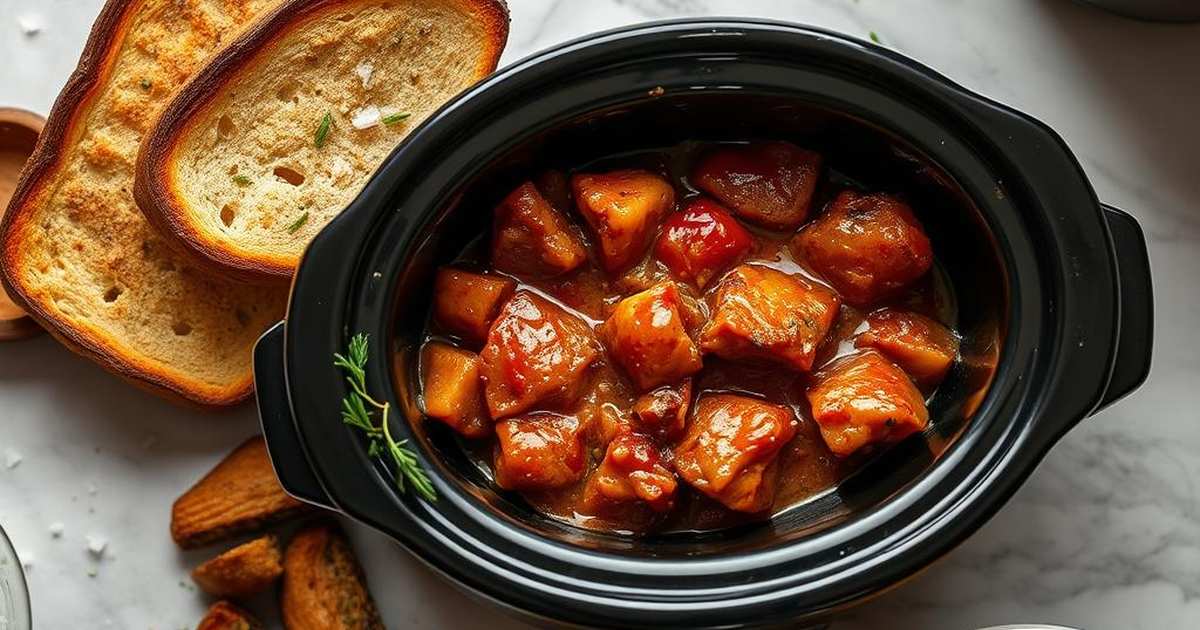
Recipe Snapshot: Classic Slow-Cooker Beef Stew
This recipe focuses on the balance of earthy aromatics and protein to create a foundational meal that serves four to six people.
- Yield: 6 servings
- Prep time: 20 minutes
- Cook time: 8 hours (low setting)
- Total time: 8 hours and 20 minutes
Ingredients
- 2 lbs beef chuck roast, cut into 1.5-inch cubes
- 3 tablespoons all-purpose flour
- 1 teaspoon kosher salt
- 1/2 teaspoon black pepper
- 1 lb Yukon Gold potatoes, chopped
- 4 large carrots, peeled and sliced
- 1 large yellow onion, diced
- 3 cloves garlic, minced
- 2 cups beef bone broth
- 1 tablespoon tomato paste
- 1 teaspoon dried thyme
Step-by-Step Instructions
- In a large bowl, toss the beef cubes with flour, salt, and pepper until evenly coated.
- Place the beef in the base of the slow cooker.
- Layer the potatoes, carrots, onions, and garlic over the beef.
- Whisk together the beef broth and tomato paste in a separate container, then pour over the contents of the cooker.
- Sprinkle the dried thyme across the top.
- Cover and cook on the low setting for 8 hours.
- Stir gently before serving to incorporate the thickened juices into the stew.
To deepen the flavor profile of any beef-based Crockpot recipe, sear the meat in a skillet over high heat for two minutes per side before placing it into the slow cooker. This caramelization adds a level of complexity that is difficult to replicate with raw meat alone.
Refining Your Approach
Adaptability is a hallmark of slow cooking. If you find your sauce is too thin, create a slurry by whisking one tablespoon of cornstarch with two tablespoons of cold water and stirring it into the pot for the final 20 minutes of cooking. This provides a professional, velvety consistency to your gravies and stews.
Substitutions and Variations
If you prefer a different flavor profile, consider swapping the beef for pork shoulder or lamb shoulder. These cuts possess similar fat and collagen structures, making them well-suited for long-duration cooking. For those looking for efficient weeknight cooking, prepping your vegetables the night before and storing them in an airtight container can save significant morning time.
Storage and Make-Ahead Guidance
Leftovers should be cooled rapidly and stored in shallow containers in the refrigerator for up to three days. When reheating, do so slowly on the stovetop or in the microwave until the internal temperature reaches 165°F. Avoid refreezing meat that has been cooked and thawed once, as this can degrade the quality of the protein fibers.
Conclusion
Crockpot recipes offer a reliable method for managing nutrition and flavor in a modern kitchen. By understanding the importance of moisture retention and proper ingredient layering, you can elevate your home cooking. Whether you are exploring hearty stews or tender roasts, consistency and patience remain the essential ingredients for success.
Ready to try more? Explore our collection of mastering simple chicken breast recipes to further expand your culinary repertoire.