El Mordjene: The Algerian Spread Causing Market Waves

Understanding the Current Situation
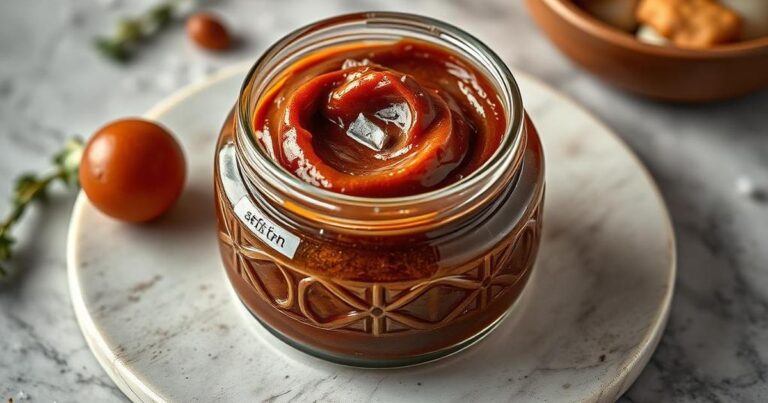
In recent weeks, the Algerian hazelnut spread known as el mordjene has become a significant focal point in international trade and consumer discussions. Often highlighted as a challenger to established global brands like Nutella, the product has recently faced regulatory hurdles that have effectively paused its availability in certain markets. As noted in reports by Monocle, the sudden surge in interest has been met with complex reactions from food safety regulators, specifically concerning import compliance and standards.
For those looking to understand the broader context of this situation, it is helpful to look at how specific products gain traction through social media and word-of-mouth. El mordjene has captured attention largely due to its distinct flavor profile, which many consumers compare to high-end hazelnut confections. However, the current status of the product in regions like the European Union is one of restriction, leaving many enthusiasts to wonder about the future of the brand’s global reach.
- El mordjene is an Algerian-manufactured hazelnut spread that has recently gained significant international attention.
- The product is currently facing import bans or regulatory scrutiny in specific jurisdictions, primarily due to non-compliance with regional safety or labeling standards.
- Market analysts are observing this trend as a case study in how niche food products can disrupt established global supply chains overnight.
Myth vs. Fact: The Regulatory Landscape
Given the rapid spread of information online, separating verified data from conjecture is essential. The following breakdown addresses common points of confusion surrounding the brand.
Myth: The product is dangerous to consume.
Fact: There is no widely publicized evidence indicating that the spread is inherently unsafe or toxic for human consumption. The restrictions imposed by regulatory bodies primarily concern administrative compliance, such as import protocols and specific ingredient labeling requirements mandated by the EU and other trade blocs.
Myth: The ban is a permanent global decision.
Fact: Regulatory bans of this nature are often temporary measures taken while imports are audited. They do not necessarily equate to a permanent prohibition. The path to re-entry usually involves the manufacturer aligning their documentation and testing protocols with the importing country’s specific food safety authority.
Action Plan for Interested Consumers
If you are an enthusiast of international sweets or a market watcher, navigating this situation requires a focus on verified sources rather than social media speculation. You can read more about the ongoing situation in our deep-dive at The Truth Behind the El Mordjene Spread Controversy.
When you see claims about food bans on social media, always check the websites of national food safety agencies. These organizations publish official notices when a product is recalled or banned, detailing the exact reason, such as labeling issues or specific ingredient discrepancies.
Substitutions and Alternatives
Because the availability of el mordjene remains restricted in many areas, consumers often look for similar sensory experiences. While few products match the exact profile of the Algerian spread, there are several ways to enjoy similar nutty, chocolate-based profiles. For those interested in exploring different textures and flavor profiles, our guide on chocolate spread recipes from scratch can provide a creative outlet to emulate these flavors in your own kitchen.
FAQs
Why is el mordjene currently facing scrutiny?
The primary reasons relate to regulatory and import standards. Different regions have strict protocols regarding the import of food products containing specific nut ratios and dairy components, and failures to meet these administrative requirements can lead to entry blocks.
Can I still buy the spread if I live outside of Algeria?
Availability depends entirely on your local market’s import regulations. If a regulatory body has officially blocked the import, retailers are generally prohibited from selling it. It is advised to check your local food safety authority’s website for updates.
Will the product return to store shelves in affected countries?
It is possible. If the manufacturer chooses to invest in meeting the specific documentation or formulation requirements requested by foreign regulators, they can apply for authorization to return to those markets. This process can take months or years depending on the complexity of the regulations.
Stay Informed
The intersection of global food culture and trade regulation is evolving rapidly. Whether you are interested in the economic impact or simply the culinary profile of unique international products, staying informed through reputable sources is the best way to separate fact from digital noise.