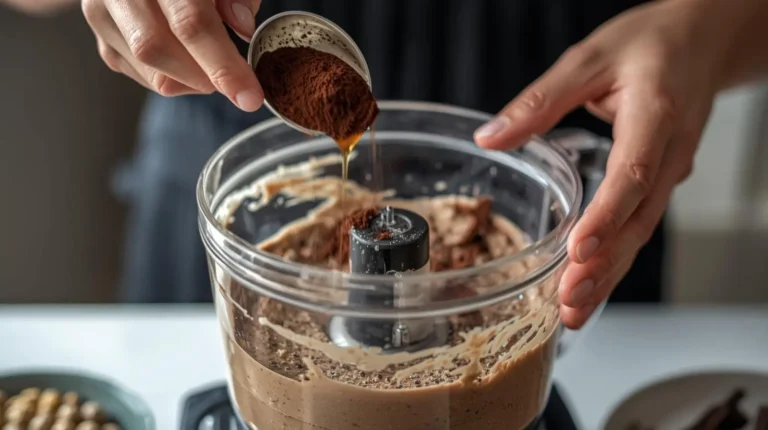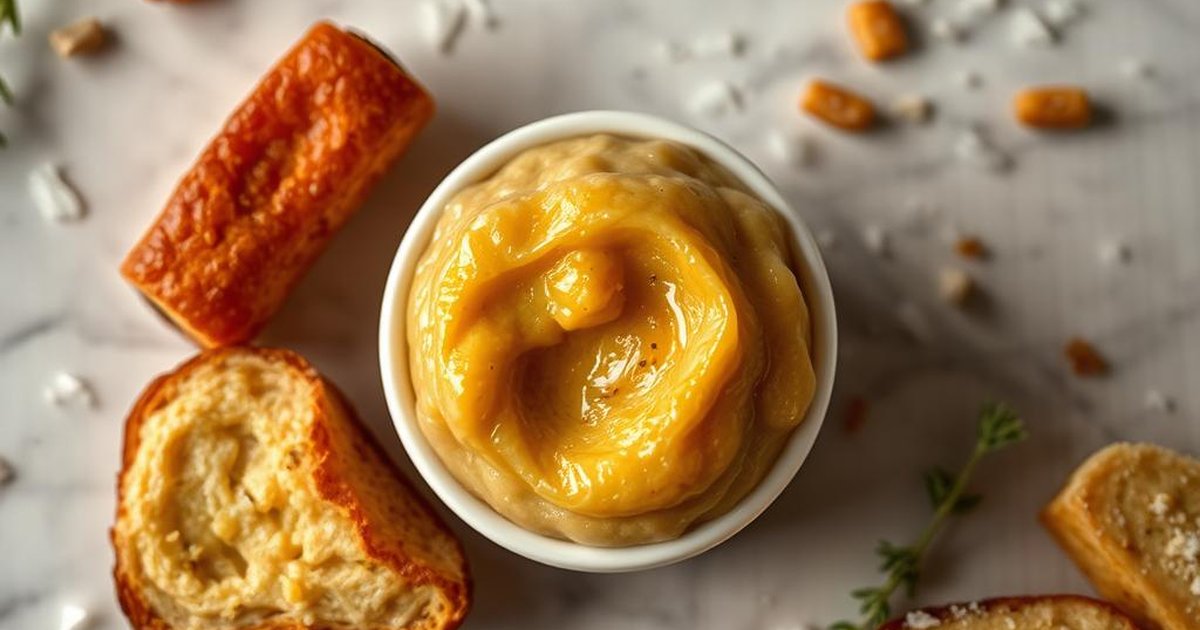
Where to Buy El Mordjene: A Guide to the Algerian Spread

Understanding the Current Market Situation
The quest to find El Mordjene Algerian spread has become a global phenomenon, driven by its reputation for a unique flavor profile that has captivated social media users. If you are wondering where to buy this product, it is essential to first understand that the spread has faced significant regulatory scrutiny in international markets, particularly within the European Union. Because of these trade and health-standard investigations, finding authentic jars in mainstream retail outlets has become increasingly difficult, if not impossible.
For those interested in the broader implications of this product’s market journey, you can read more about the El Mordjene hunt and how Paris has reacted to the craze, or explore the official details regarding the scrutiny it has faced. Currently, official distribution channels remain restricted in many regions due to compliance issues with EU import regulations for food products containing specific animal-derived ingredients.
- El Mordjene is an Algerian spread that recently saw a surge in demand.
- Regulatory bodies have placed restrictions on its sale in certain regions due to import documentation and safety standards.
- There is no “official” authorized retailer in Europe currently selling the product in accordance with EU food safety laws.
Myth vs. Fact: Navigating the Rumors
Because information spreads quickly online, it is vital to separate verified facts from speculation regarding this viral spread.
Myth: It is easily available in local grocery stores
Fact: Authentic supplies are not typically found on shelves in standard supermarkets. Any remaining stock seen in independent shops is often leftover inventory or non-compliant imports that may not meet current safety guidelines.
Myth: The product was banned for being unsafe
Fact: The primary issue highlighted by regulators, such as those reported by the European Commission’s Rapid Alert System for Food and Feed (RASFF), often pertains to the compliance of import documents and the specific animal-origin ingredients required for EU market entry, rather than a definitive statement that the product is inherently toxic.
Myth: You can order it safely from any online marketplace
Fact: Purchasing from third-party sellers on unverified platforms carries risks. You may receive products with expired shelf lives, improper storage history, or items that have circumvented customs, which lack the required health certifications for your specific region.
Action Plan for Consumers
If you are still searching for the product, proceed with caution. Follow these steps to ensure you remain informed and safe:
- Verify Customs Status: Check your national food safety authority’s website to see if there are active import bans or safety alerts concerning Algerian hazelnut spreads.
- Avoid Unregulated Marketplaces: Do not use private, unvetted peer-to-peer marketplaces to purchase food products. These transactions lack consumer protection and oversight.
- Prioritize Local Alternatives: Many artisanal bakers are crafting high-quality, safe hazelnut spreads that provide a similar experience to the Algerian variety while complying with local health codes.
Substitutions and Alternatives
While the taste of the El Mordjene spread is unique, the market is full of high-quality hazelnut and chocolate spreads that meet international safety standards. You can often replicate the flavor profile by selecting premium spreads that emphasize high hazelnut content. When choosing alternatives, look for products that disclose their full ingredient list and origin, ensuring that they are produced in facilities regulated by your local food safety agency.
FAQs
Is it illegal to consume El Mordjene?
Consuming the product is not inherently illegal, but the commercial sale and importation of the product in many jurisdictions have been halted due to non-compliance with regional food import regulations.
Why is it so hard to find in stores?
The product is difficult to find because regulatory bodies have flagged it for not meeting specific import requirements regarding animal-origin components, leading to seizures or distribution stops by customs authorities.
Should I worry about the quality of the spread?
The concerns regarding the spread are primarily regulatory and legal regarding international trade standards rather than definitive proof of widespread contamination. However, without official oversight, there is no guarantee that the storage or handling of the jars meets food safety standards.