Classic Bakery-Style Blueberry Muffins Recipe

The Secret to Perfect Homemade Muffins
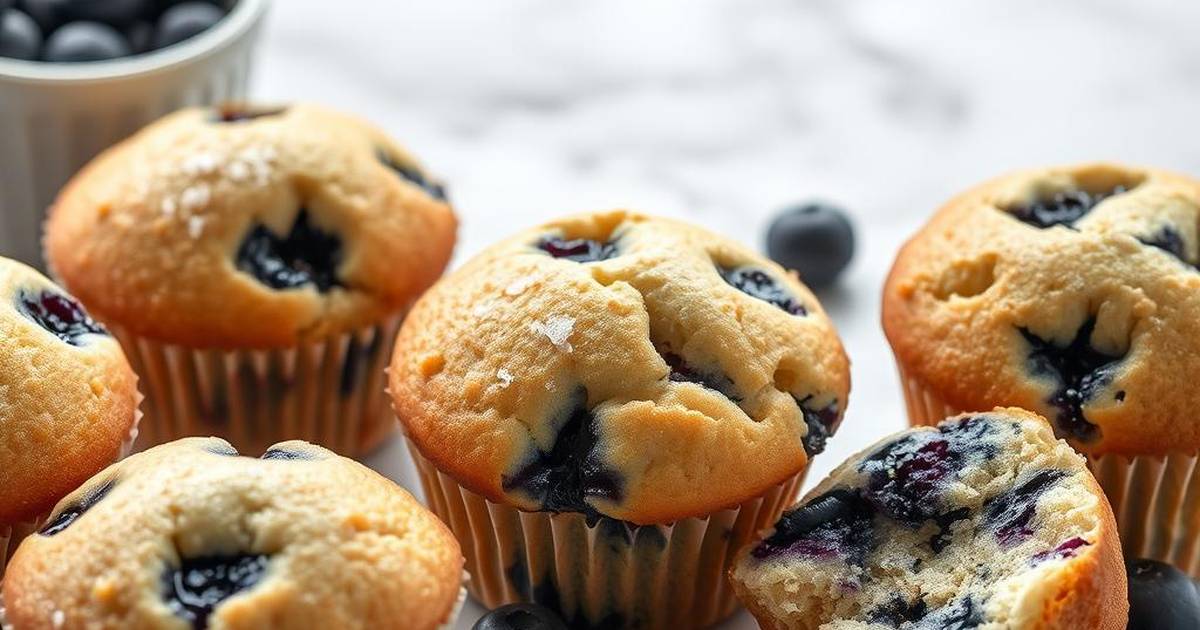
Achieving a bakery-quality blueberry muffin at home relies on two primary factors: the proper aeration of your batter and the temperature management of your oven. This blueberry muffins recipe produces a tall, domed top with a tender, moist interior and burst-in-your-mouth fruit throughout. By focusing on simple chemistry—mixing the wet and dry ingredients just until combined—you avoid the common pitfall of a rubbery or tough texture.
- Use room-temperature ingredients to ensure a smooth, emulsified batter.
- Avoid overmixing, which develops gluten and results in dense, chewy muffins.
- Coating your blueberries in a tablespoon of flour prevents them from sinking to the bottom during the bake.
Recipe Snapshot
- Yield: 12 standard muffins
- Prep Time: 15 minutes
- Cook Time: 20–25 minutes
- Total Time: 40 minutes
Ingredients
- 2 cups all-purpose flour
- 1/2 cup granulated sugar (plus 1 tablespoon for topping)
- 2 teaspoons baking powder
- 1/4 teaspoon salt
- 1 large egg, room temperature
- 1/2 cup unsalted butter, melted and cooled
- 1/2 cup whole milk
- 1 teaspoon vanilla extract
- 1.5 cups fresh or frozen blueberries
- 1 tablespoon extra flour (for dusting berries)
Step-by-Step Instructions
- Preheat your oven to 400°F (200°C) and line a muffin tin with paper liners or grease thoroughly.
- In a large bowl, whisk together the 2 cups of flour, baking powder, and salt.
- In a separate medium bowl, combine the egg, sugar, melted butter, milk, and vanilla extract until smooth.
- Pour the wet ingredients into the dry ingredients and stir with a spatula. Stop mixing as soon as the last streak of flour disappears—the batter will look lumpy.
- Toss the blueberries with the extra tablespoon of flour and gently fold them into the batter.
- Divide the batter evenly into the muffin tin. Sprinkle the tops with the remaining tablespoon of sugar.
- Bake for 5 minutes at 400°F, then—without opening the door—reduce the temperature to 375°F (190°C) and bake for another 15–20 minutes until a toothpick comes out clean.
- Cool in the pan for 5 minutes before transferring to a wire rack.
Refining Your Technique
While this recipe is a foundational standard, minor adjustments can tailor the results to your preferences. If you prefer a richer flavor, you might enjoy serving these alongside homemade chocolate recipes, though they are traditionally enjoyed with coffee or tea. For those interested in expanding their repertoire beyond baked goods, you can find inspiration in other chocolate spread recipes from scratch to complement your morning routine.
Substitutions and Variations
If you prefer a different texture, you can swap half of the all-purpose flour for cake flour for a lighter crumb. For added flavor depth, consider adding a pinch of nutmeg or lemon zest to the dry ingredients. Fresh berries are ideal, but if you use frozen, do not thaw them; simply toss them in flour straight from the freezer to prevent the batter from turning purple.
Storage and Make-Ahead Guidance
Muffins are best enjoyed within 48 hours. Store them in an airtight container at room temperature. If you need to keep them for longer, wrap them individually in plastic wrap and freeze for up to one month. To reheat, warm in a 300°F oven for 5–8 minutes.
FAQs
Can I use frozen blueberries in this recipe?
Yes, frozen blueberries work well. Do not thaw them before adding to the batter, as this causes the berries to bleed and dye the dough. Toss them in a little flour before folding them in to ensure even distribution.
Why did my muffins turn out dense?
Density is usually caused by overmixing the batter. Always mix by hand and stop the moment the dry ingredients are incorporated, even if the batter remains lumpy. Additionally, ensure your baking powder is fresh for maximum lift.
What is the benefit of the initial high heat?
The high initial oven temperature triggers a “spring” effect in the muffin batter. This quickly expands the air bubbles and sets the top, which is essential for creating the signature tall, domed appearance seen in professional bakeries. For further reading on baking science, visit the official scientific guidance on baking chemistry.
Start Your Baking Journey
Mastering the classic muffin is a rewarding skill that brings comfort and joy to any kitchen. Whether you are baking for a weekend brunch or preparing quick snacks for the week, this recipe provides the versatility you need. Experiment with your favorite additions and enjoy the aroma of fresh baking throughout your home.