Crafting the Perfect Father’s Day Cake

Understanding the Evolution of the Father’s Day Cake
The tradition of honoring paternal figures with a centerpiece dessert has moved beyond simple supermarket sheet cakes toward more personalized, artisanal, or home-baked creations. At its core, the modern celebratory dessert for this occasion prioritizes flavor profiles that lean toward robust, deep, and savory-sweet combinations rather than overly delicate or floral notes. Understanding the cultural shifts behind this evolution reveals a move toward high-quality ingredients and purposeful gifting.
- Focus on bold, classic flavors like dark chocolate, coffee, stout, or citrus.
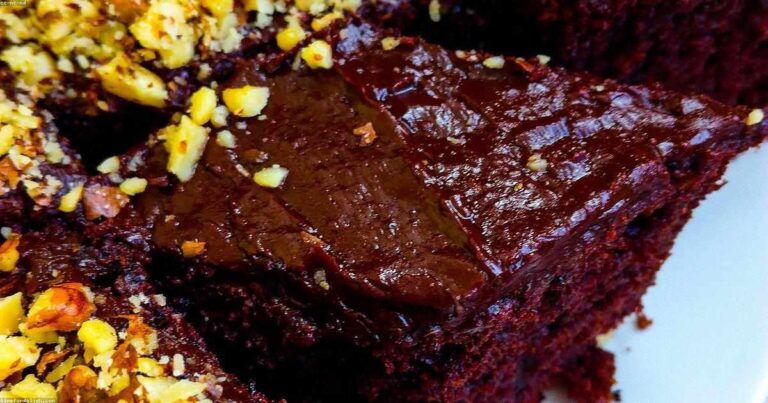
- Presentation is shifting from elaborate fondant designs to rustic, “manly” aesthetic finishes like naked cakes or ganache glazes.
- Personalization through favorite hobbies or tastes remains the most effective way to elevate the gift.
Trend Analysis and Cultural Variations
In the United States and Canada, the emphasis on this day often falls on comfort food classics. Recipes that incorporate ingredients like bourbon, dark espresso, or rich cocoa are highly favored. These flavor profiles contrast with regional European trends, where the celebration might involve lighter sponge cakes or fruit-forward tarts, depending on the country’s proximity to seasonal harvest times.
In regions such as Algeria and parts of North Africa, while traditional desserts remain central to family gatherings, the Western-influenced custom of the Father’s Day cake is gaining traction as a premium gifting experience. Here, the influence of social media—specifically platforms like Instagram and TikTok—has introduced a demand for visually striking, multi-layered cakes that serve as a focal point for family photography.
The trend toward “thematic” baking has also accelerated. Bakers are increasingly requested to incorporate specific interests, such as automotive motifs, outdoor themes, or professional aesthetics, into the design. This represents a broader shift in the culinary world where the dessert is not just a treat, but a tangible reflection of the recipient’s personality.
Social Media Influence and Future Outlook
Social media has acted as a primary catalyst for the “DIY-to-pro” pipeline. Users are no longer content with standard bakery offerings; they share tutorials on tempering chocolate or achieving the perfect ganache drip. This influence has forced commercial bakeries to innovate, leading to an increase in limited-edition seasonal cakes.
Over the next 30 to 90 days, we anticipate a stabilization of these trends with a continued focus on “minimalist luxury.” Expect to see fewer over-the-top, sugar-heavy fondant creations and a surge in high-quality, ingredient-focused cakes—such as those featuring single-origin chocolates or specialty nut spreads. For those interested in the scientific progression of these techniques, more information is available at Understanding the Evolution and Science of Cake.
To ensure your dessert has the desired flavor impact, never skip the “bloom” phase when using cocoa or coffee in your batter. Dissolving these in hot (but not boiling) liquid before adding them to your wet ingredients significantly intensifies the depth of flavor, which is a hallmark of a professional-grade Father’s Day cake.
Selecting the Ideal Dessert
When determining what to serve, consider the recipient’s palate first. If they enjoy rich, morning-routine flavors, a coffee-infused layer cake is superior to a light berry cake. Similarly, texture plays a major role; many people prefer a moist, dense crumb over a light, airy chiffon. For those planning a full event, choosing the right base is essential, as detailed in our guide on Selecting the Perfect Birthday Cake: A Consumer Guide.
Consistency and Storage
One common pitfall is improper storage. Cakes featuring ganache or buttercream based on high-fat ingredients must be kept at room temperature if they are to be consumed within a few hours to ensure the texture is soft. Conversely, storage in a refrigerator can cause the fats to harden and the crumb to lose its moistness. Always prioritize freshness by planning the bake to occur within 24 hours of the celebration. For more technical advice on choosing classic recipes, refer to expert insights from the King Arthur Baking Company regarding flour selection and leavening agents.
Conclusion
Honoring a father figure with a thoughtful, high-quality dessert remains a timeless tradition that bridges the gap between old-world culinary habits and modern aesthetic preferences. By focusing on quality ingredients, appropriate flavor pairings, and a personal touch, you transform a simple cake into a memorable event. Whether you are baking from scratch or commissioning a professional, the effort placed into the selection process is what truly defines the gift.
Enhance Your Baking Skills
Are you looking to master the art of the perfect dessert for your next family gathering? Explore our collection of premium recipes and expert guides to help you elevate your kitchen confidence and create treats that leave a lasting impression.
FAQs
What is the best flavor profile for a Father’s Day cake?
The most popular flavor profiles for this occasion typically feature robust, deep notes such as dark chocolate, espresso, stout beer, salted caramel, or spiced nuts. These flavors are generally perceived as more sophisticated and less cloying than lighter fruit or floral options.
How far in advance can I bake the cake?
For the best results, bake your sponges 24 to 48 hours in advance. If you wrap them tightly in plastic wrap while slightly warm, they will retain moisture. Apply frostings or ganache on the day of the event to ensure the textures are at their peak.
Should I prioritize aesthetics or flavor?
In the current culinary climate, the best cakes balance both. However, when choosing between a highly stylized fondant cake and a rustic, flavor-packed cake, most connoisseurs recommend the latter. High-quality ingredients provide a better sensory experience, which is generally more appreciated than complex, inedible decorations.