Understanding the EU Import Ban on El Mordjene Spread

The Recent Regulatory Changes Regarding El Mordjene
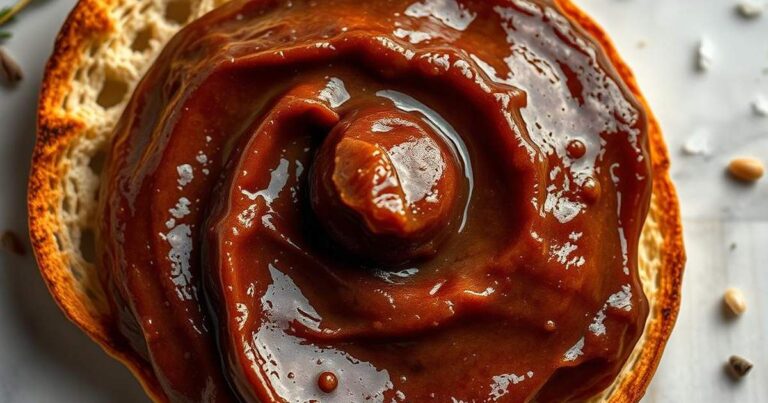
In recent weeks, the popular Algerian hazelnut spread, commonly known as El Mordjene, has become the subject of an intense debate within the European Union. This discussion began after regulatory authorities moved to restrict its import, leading to widespread confusion and a palpable sense of frustration among consumers who have grown fond of the product. The core of this issue centers on alignment with strict European food safety standards, particularly concerning the import of food products containing dairy from non-EU nations.
For those tracking this development, it is essential to distinguish between local popularity and the complex regulatory framework governing the European single market. The current situation has highlighted how specific trade protocols regarding animal-origin ingredients impact even the most beloved consumer goods. As reported by Middle East Eye, the ban has sparked a significant social media reaction, underscoring the product’s rise in popularity among international audiences.
- The ban is primarily rooted in regulatory compliance regarding dairy import protocols.
- EU food safety laws apply strictly to third-party countries exporting animal-based products.
- The popularity of the spread does not bypass the necessity for standardized health and safety certifications.
Contextualizing the Regulatory Hurdles
To understand why this is happening, one must look at how the European Union manages the safety of its food supply chain. The EU maintains rigorous standards for the import of products containing dairy, eggs, or meat from countries outside the bloc. These regulations are designed to ensure that every step of the production process, from the source of the dairy to the manufacturing facility, adheres to specific safety benchmarks.
When a product like El Mordjene enters the European market, it must meet these criteria. If a country’s veterinary or food safety certification does not align with the specific requirements of the European Commission, the product cannot legally be imported, regardless of its quality or taste profile. For further context on how these market disruptions unfold, see El Mordjene: The Algerian Spread Shaking Global Markets.
Practical Steps for Consumers and Importers
If you are an enthusiast of this spread or a business owner dealing in international food goods, it is important to stay informed about the legal status of your inventory. Here are the steps to navigate this situation:
- Monitor Official Announcements: Rely on official EU customs notices rather than social media speculation for updates on import legality.
- Check Documentation: Ensure that any products currently in transit or store inventory comply with existing national health directives in your specific EU member state.
- Follow Regulatory Compliance: If you are importing, verify that the manufacturer has obtained the necessary certifications required for the European single market.
Always verify the “Country of Origin” labels on your food products. When regulations change, retailers often update their inventory logs to reflect new restrictions, so checking with your local grocer is the most reliable way to know what is currently available on the shelf.
Common Misunderstandings
A frequent error in public discourse is the assumption that a ban implies a product is inherently dangerous or unsafe to consume. In many cases, trade restrictions are purely administrative or logistical. The distinction between a product failing a safety test and a product failing to meet an import certification protocol is vital. Users looking for more clarity on this often refer to Understanding the El Mordjene Spread Controversy to separate the facts from the online hype.
Conclusion
The situation regarding El Mordjene remains fluid. While it serves as a case study for the complexities of modern food trade, it also highlights the intense loyalty consumers feel toward their favorite products. For now, the best course of action is to observe the regulatory progress and rely on verified reporting regarding the potential for future imports.
FAQs
Why is El Mordjene being restricted in the EU?
The restriction is primarily due to European Union regulations concerning the import of food products containing dairy from countries outside the bloc, which require specific safety certifications that must align with EU standards.
Does the ban mean the product is unsafe?
Not necessarily. Trade restrictions are often the result of administrative or regulatory hurdles related to international trade laws rather than a direct finding that a product is unsafe for human consumption.
Can I still buy the spread in France?
Availability depends on current local enforcement and existing stock. If the product does not meet the necessary EU import criteria, retailers may be subject to directives to pull the item from shelves.