Authentic Andalusian Gazpacho Recipe

Understanding the Essence of Gazpacho
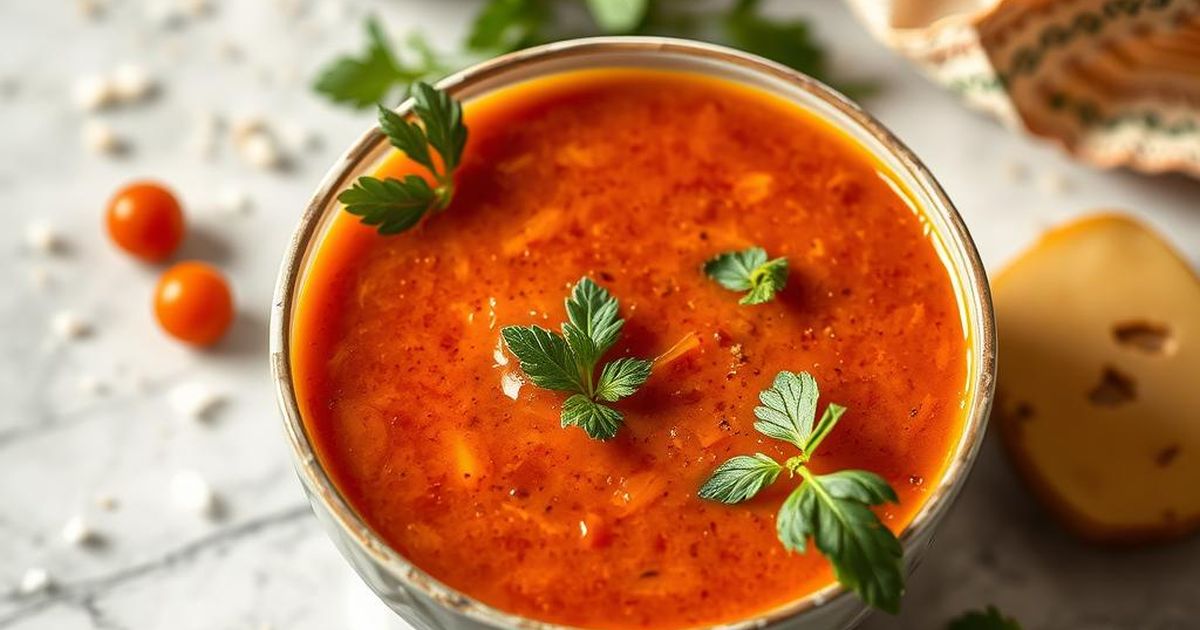
Gazpacho is a quintessential cold soup originating from the southern Spanish region of Andalusia. Built on a foundation of raw vegetables, high-quality olive oil, and vinegar, it is a testament to the idea that simple, fresh ingredients yield the most complex flavors. Unlike cooked soups, this dish relies on the quality of your produce to provide its signature vibrant color and refreshing, zesty profile.
- Choose vine-ripened, room-temperature tomatoes for the best flavor extraction.
- The emulsification process with extra virgin olive oil is what creates a velvety, rather than watery, texture.
- Resting the soup in the refrigerator is mandatory to allow the garlic and vinegar to mellow and meld with the juices.
Recipe Snapshot
- Yield: 4 to 6 servings
- Prep Time: 20 minutes
- Resting Time: 2 hours (minimum)
- Total Time: 2 hours 20 minutes
Ingredients
- 2 pounds (approx. 1kg) very ripe, vine-grown tomatoes, cored and roughly chopped
- 1 medium cucumber, peeled and chopped
- 1 green bell pepper, seeded and chopped
- 1/4 medium red onion, roughly chopped
- 1 clove garlic, peeled and smashed
- 1/3 cup extra virgin olive oil
- 2 tablespoons sherry vinegar
- 1 teaspoon sea salt, adjust to taste
- Optional: A small slice of crusty bread, soaked in water
Step-by-Step Instructions
- Place the tomatoes, cucumber, bell pepper, onion, and garlic into a high-powered blender or food processor.
- Process the mixture on high speed until completely smooth. If you prefer a thinner consistency, you may pass the soup through a fine-mesh sieve at this stage.
- With the blender running on low, slowly drizzle in the extra virgin olive oil. This process is similar to making an emulsion, which helps the soup achieve a creamy, cohesive texture.
- Add the sherry vinegar and salt. Blend briefly to incorporate.
- Taste the mixture. If the acidity is too sharp, add a small amount of water or a tiny pinch of sugar. If it lacks depth, add more salt or a splash of oil.
- Pour the gazpacho into a glass container, cover, and refrigerate for at least two hours before serving.
Variations and Cultural Context
While the modern iteration often focuses on the tomato, traditional gazpacho, sometimes called ajo blanco in its oldest forms, relied heavily on stale bread, almonds, and garlic rather than the tomato, which was introduced to Europe much later. Today, variations abound; some chefs add watermelon for a sweeter twist, while others focus on highlighting specific heirloom tomato varieties.
For those looking to expand their culinary repertoire beyond cold soups, exploring homemade chocolate recipes or mastering simple chicken breast recipes can provide excellent balance to a meal that begins with this light, acidic appetizer. For more in-depth history on the preparation methods of Mediterranean vegetable dishes, you can visit the Food and Agriculture Organization of the United Nations website to learn about the significance of regional produce.
Storage and Serving Guidance
Gazpacho is best enjoyed within 24 hours of preparation. Because it is a raw vegetable dish, the flavors can change if left too long; the garlic tends to become more pungent, and the vibrancy of the tomatoes may fade. Always store it in an airtight glass container to prevent flavor absorption from other items in your refrigerator. Serve chilled in bowls, garnished with a drizzle of cold-pressed olive oil, finely diced cucumber, or even small croutons for added texture.
FAQs
Does gazpacho need bread?
Traditional recipes often include soaked bread to emulsify the soup and create a creamier mouthfeel. However, it is not strictly necessary, and many modern versions omit it for a lighter, gluten-free option.
Can I use a food processor if I do not have a blender?
Yes, a food processor works well, though it may leave the soup slightly more textured. If you prefer a silken, restaurant-style finish, simply run the mixture through a food mill or fine-mesh sieve after processing.
How can I make the soup more filling?
To serve this as a main course, top the chilled soup with protein-rich additions such as hard-boiled egg pieces, serrano ham, or even chickpeas. You can also pair it with heartier sides, similar to how one might serve Quick and Savory Chicken Caesar Wraps for a full, satisfying summer lunch.
Join Our Culinary Community
If you enjoyed this guide to crafting the perfect Gazpacho recipe, consider signing up for our newsletter for more seasonal inspiration and traditional cooking techniques. We aim to help you bring authentic flavors into your home kitchen with confidence and ease.